
A partner to
public services
Proud to help
From training the next generation of teachers and healthcare professionals to advancing research and innovation that saves lives, improves outcomes and lowers cost, these partnerships make life better for millions of people.
Universities are on hospital wards caring for patients and work with schools to widen access. We apply our skills and expertise to back those making a difference in our communities, from care homes to lifeboats.
Case Studies



UNIVERSITY OF STRATHCLYDE
Navigating the waters to save lives
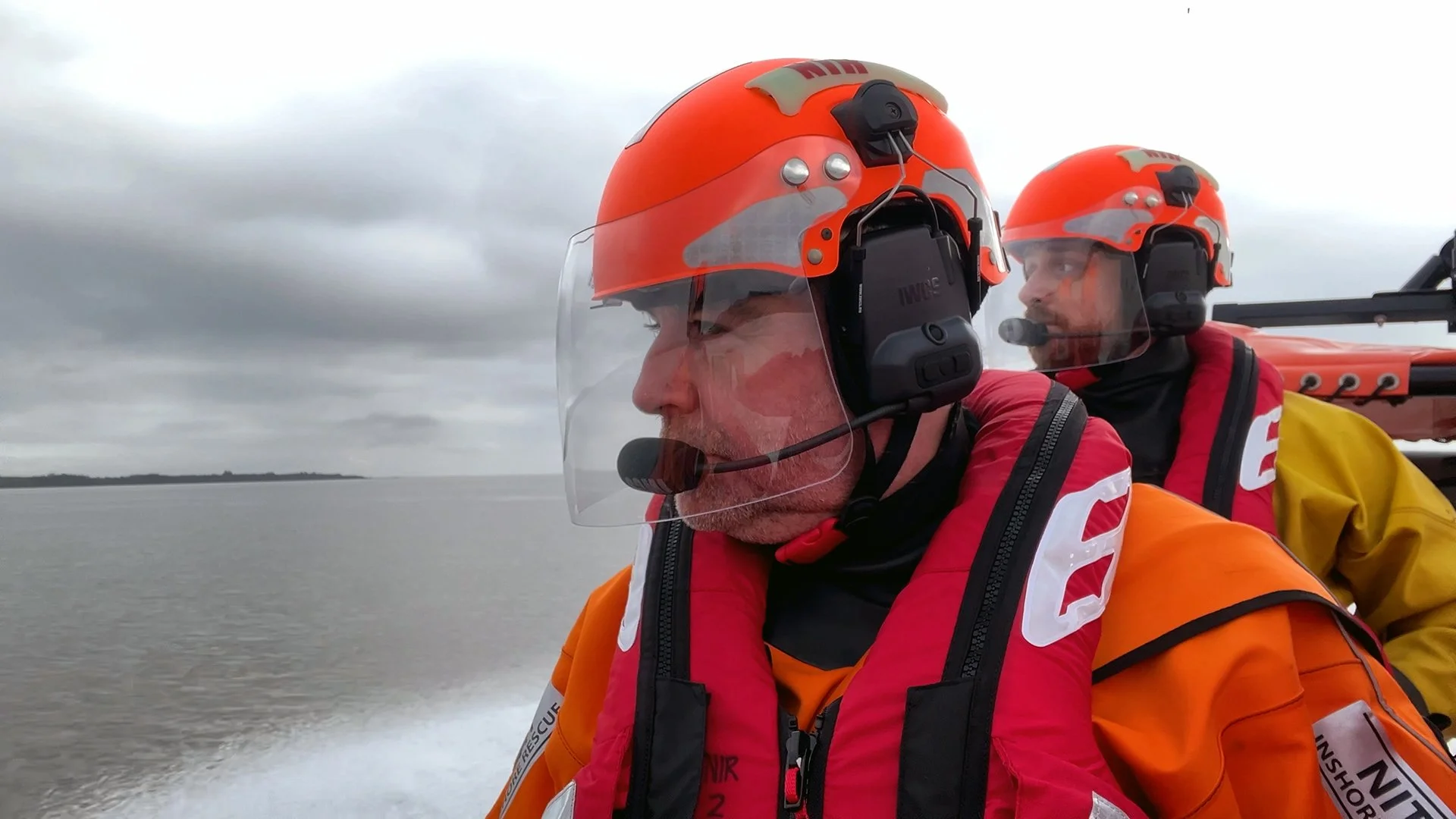
A potentially lifesaving collaboration between the Earth Intelligence Observatory at the University of Strathclyde, Creative Help Ltd and Nith Inshore Rescue is working to overcome gaps in navigation charts within the Solway Firth, one of the UK coastline’s most perilous stretches of water. The Solway Firth is an area of tidal flats which is uncharted, made up of natural sediments deposited in the Firth, making it very difficult to navigate and to understand which areas of the Firth are safe to maneuver within as the sediment moves, with the risk of ground the lifeboats when rescuing.
Frequent satellite imagery, available to the University, is combined with satellite navigation to provide support and near-real time situational awareness of otherwise invisible underwater dangers to rescue teams on lifeboats. Low tide images are used to chart the exposed tidal flat and provide regularly updated navigation data, allowing the rescue crew to reach a rescue area faster and safer, and search for a reported person for longer, knowing they can get safely back before the tide ebbs.
OPEN UNIVERSITY IN SCOTLAND
Providing opportunities for real-world experience
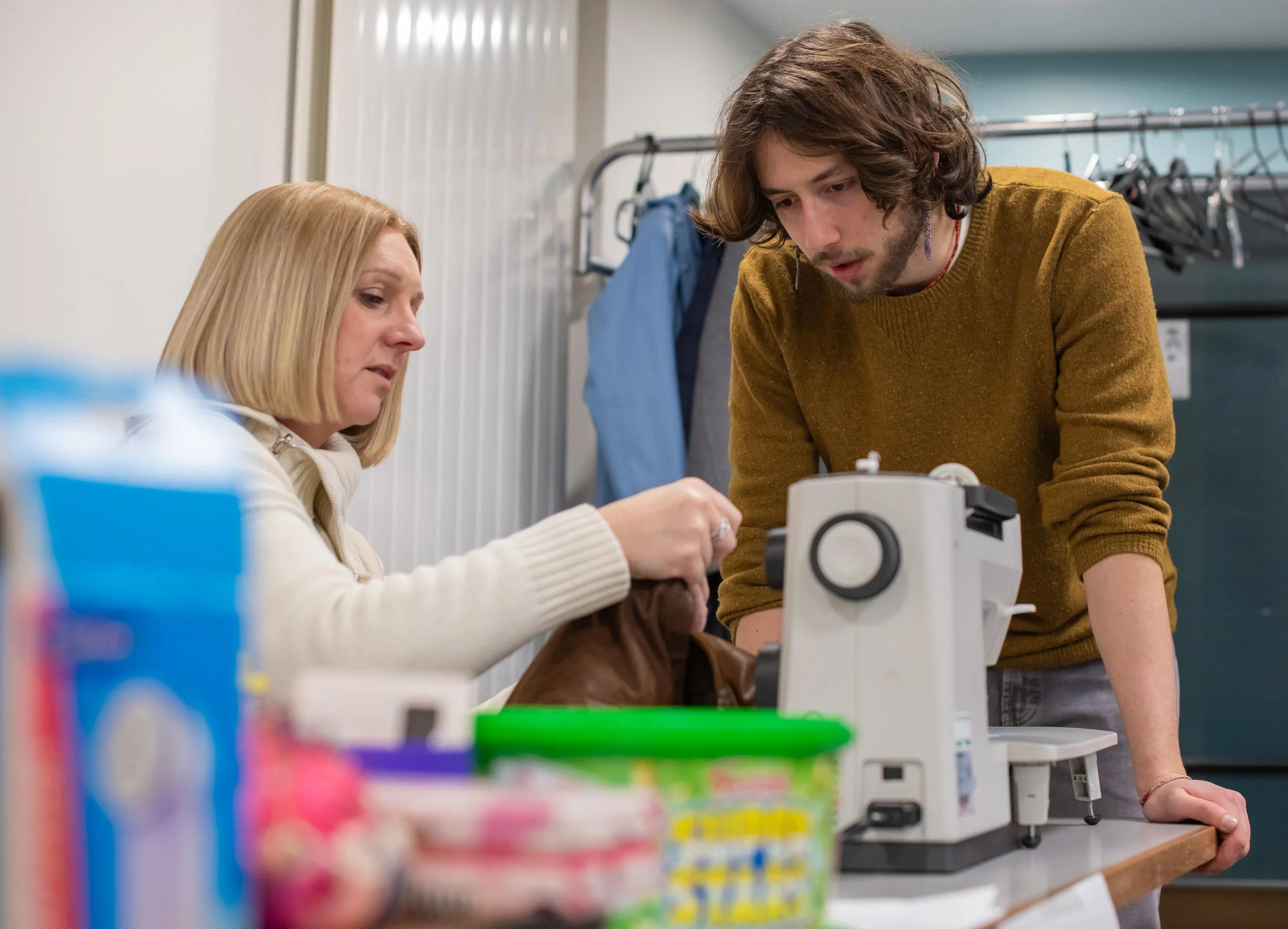
The Open University in Scotland has developed an innovative Gateway to Nursing partnership employment and education programme which supports progression to graduate nursing using the OU Certificate in Higher Education in Healthcare Practice. We have done this in partnership with NHS Lothian and NHS Argyll and Bute (NHS Highland).
The Gateway to Nursing is an unique programme that combines theoretical studies with practical experience in a hospital or healthcare setting, providing the opportunity for Open University nursing students to gain hands-on experience while earning their living.
Benefits for NHS include increased productivity by providing learners with practical experience in a hospital or healthcare setting resulting in greater productivity and efficiency. Onsite learners are able to assist experienced nurses and other healthcare professionals, freeing up time and resources for more pressing tasks.
The programme creates cost savings as a cost-effective solution for the NHS by allowing learners to earn while they learn. This reduces the financial burden on the NHS and allows them to invest in the education and development of their staff. As well as developing a workforce that remains in the NHS areas where they train.
UNIVERSITY OF EDINBURGH
Supporting the local community
The University of Edinburgh was formed by the city’s Town Council in 1583 and has civic engagement has been fundamental to its mission ever since. In 2016, the University formalised this commitment strategically by launching its first ever Community Plan. The University's latest Plan, launched October 2025, has three priorities: Partnering for Positive Social Impact; Promoting Equalities; Thriving Communities. The university collaborates in a wide range of ways with communities in Edinburgh, Lothians, Fife, and Borders, which includes providing support for change driven by communities. Through the Binks Hub (formed 2021), communities have been equal partners in research to drive social change, and the Centre for Homelessness and Inclusion Health is sector-leading with its partnership approach. Students gain real-life experience of local communities through courses such as Students as Change Agents and Creating Edinburgh and through the Health in Communities and Community Education practical placements. Lifelong learning for ages 18-99, including free English language education for New Scots and an Access programme, is provided by the University's Centre for Open Learning, which attracts well over 4,000 learners from Edinburgh and the Lothians.
Developments in the University's underpinning services and operations include the launch of the University community grant scheme in 2017. The scheme awards funds directly to communities to create positive social impact and encourages University partnership; over £800,000 has been awarded to date. In 2022, the University launched a scheme offering free access to meeting space at evenings and weekends, with over 10,500 hours provided so far. The University's Collections and in-house Talbot Rice Gallery have established programmes for communities that include volunteering, social prescribing, school visits, prisons in-reach and more. In recent years, the University has developed its approach to procurement community benefits to maximise the value to local communities of University spend and is an active partner in local Community Wealth Building networks.
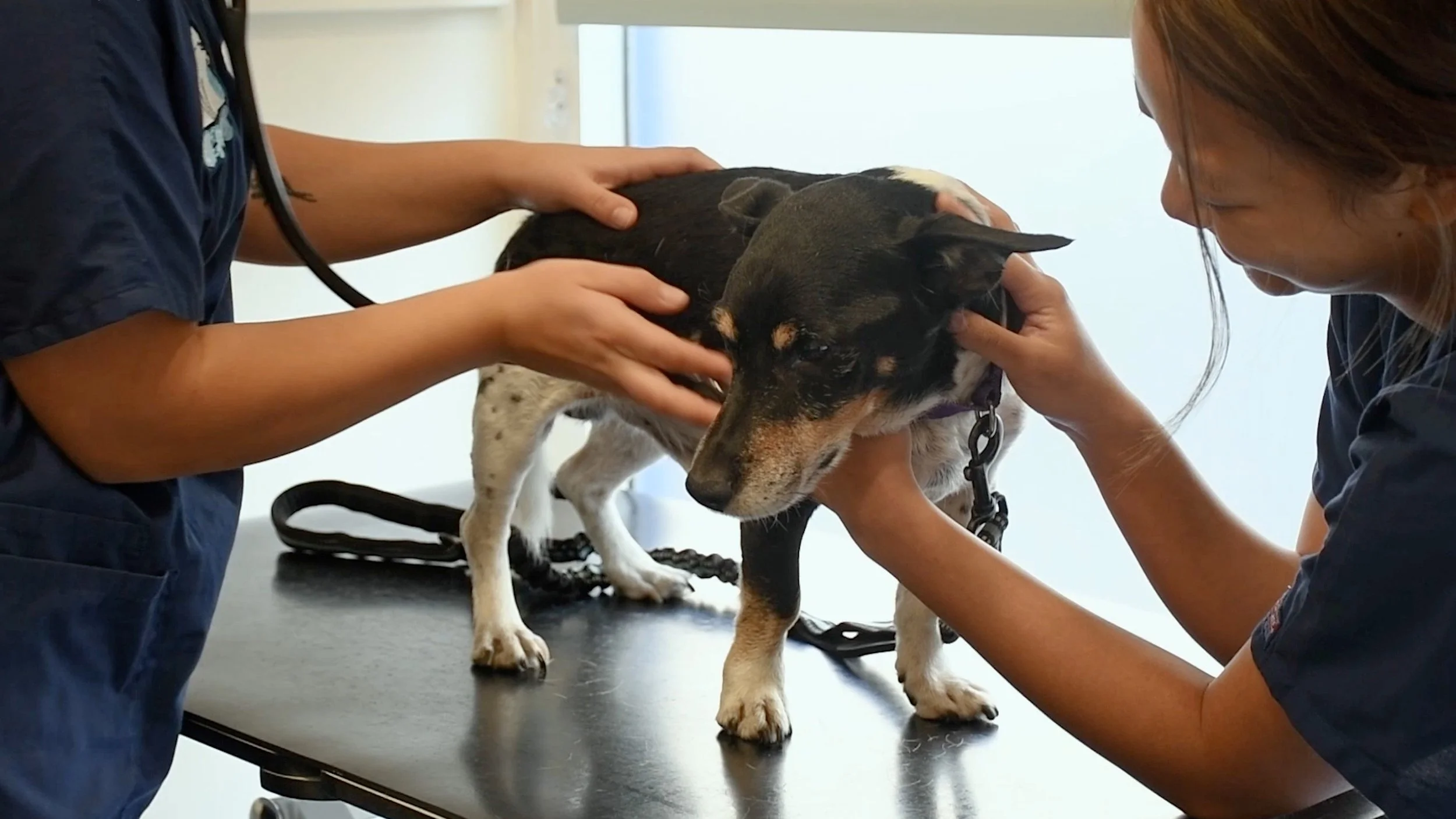
Volunteering continues to be a key University offer for communities. Student-driven volunteering includes All4Paws, which provides free basic veterinary care to the pets of vulnerably housed people, now from an established base on a busy shopping street. The charity Children’s Holiday Venture, established in 1963, provides activity evenings, day trips and camps children referred by schools, social workers, and GPs. The number of University staff using their paid day of volunteering leave continues to grow, with recent beneficiary organisations including Lauriston Farm and the School Bank West Lothian.
UNIVERSITY OF THE WEST OF SCOTLAND
Providing equal opportunities for the future
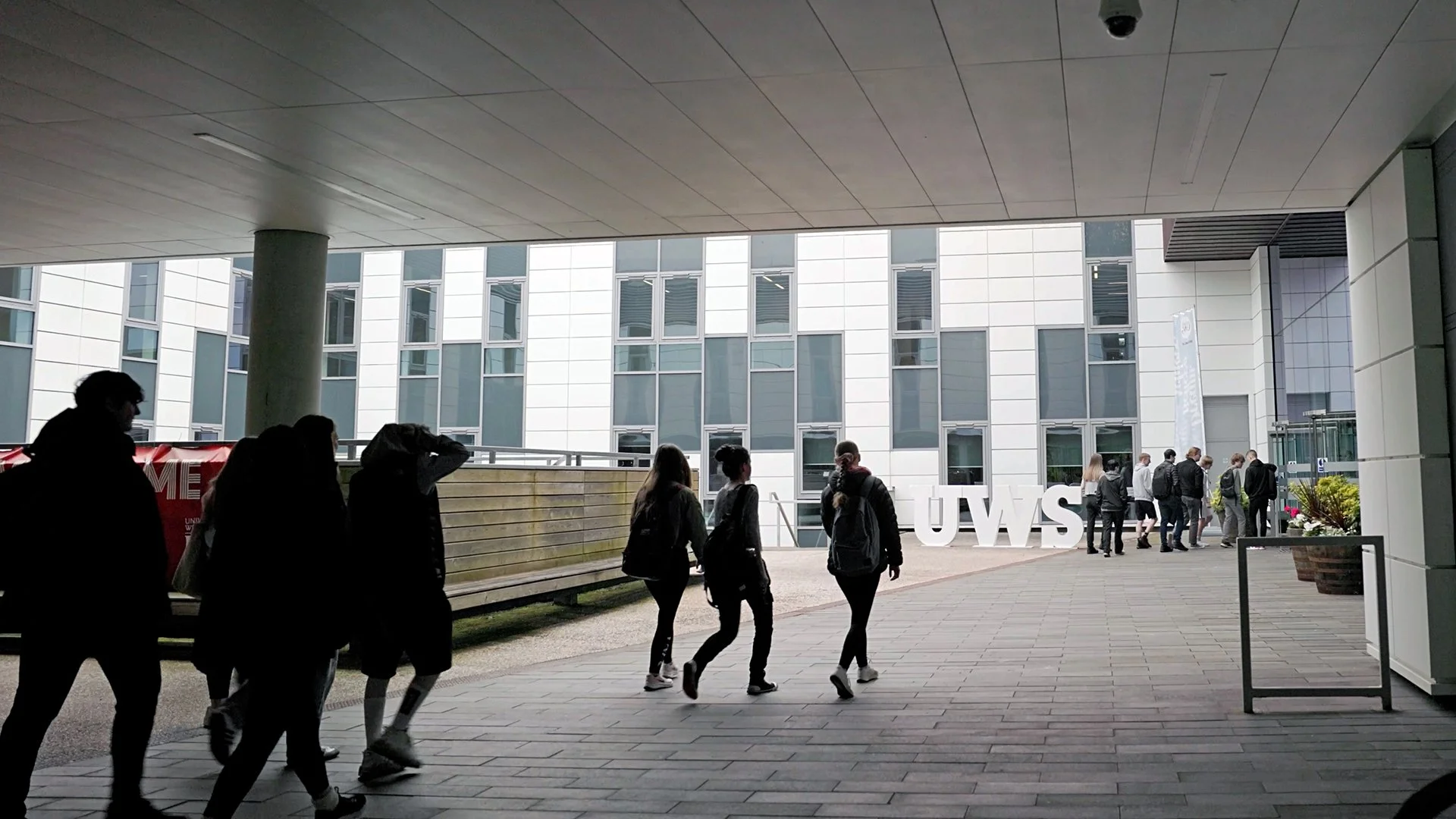
University of the West of Scotland’s (UWS) Foundation Academy is delivered to senior school pupils across the West of Scotland, providing them with the opportunity to experience studying at university level, develop key academic and personal skills, and prepare a strong university application. Since the Foundation Academy began in 2022, the University has enrolled over 1,000 pupils from over 33 schools in Ayrshire, Renfrewshire, Lanarkshire, Argyll and Bute, Glasgow, and Dumfries and Galloway.
The programme aims to raise both aspirations and awareness of HE opportunities available to pupils within their local community, offering guidance with study pathways, application processes, and required qualifications for students who may need additional support or whose qualifications may fall slightly short of typical entry requirements. Participants who successfully complete the programme can gain a qualification certificate worth 20 credits at SCQF level 7.
GLASGOW CALEDONIAN UNIVERSITY
Partnering for the common good
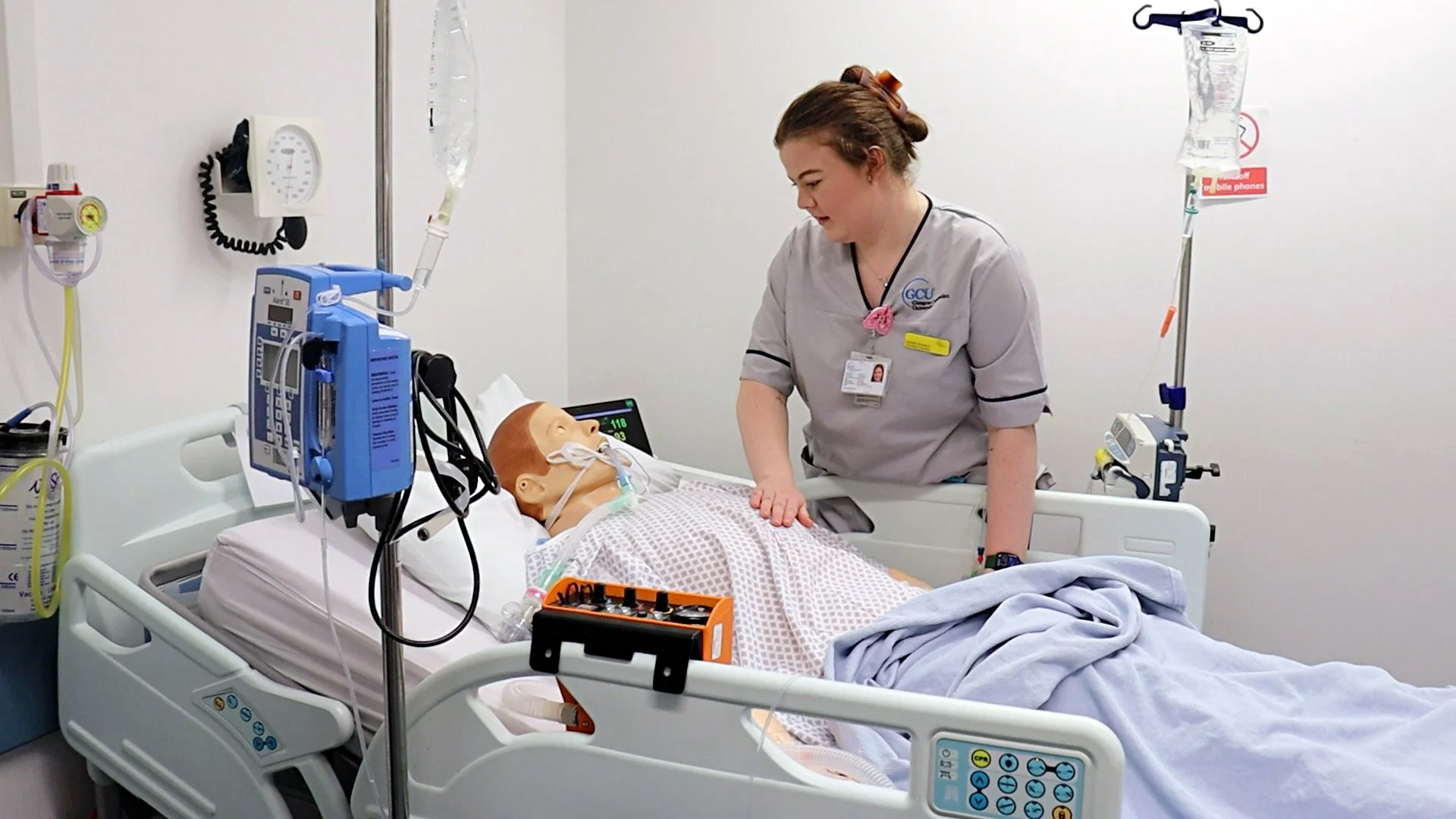
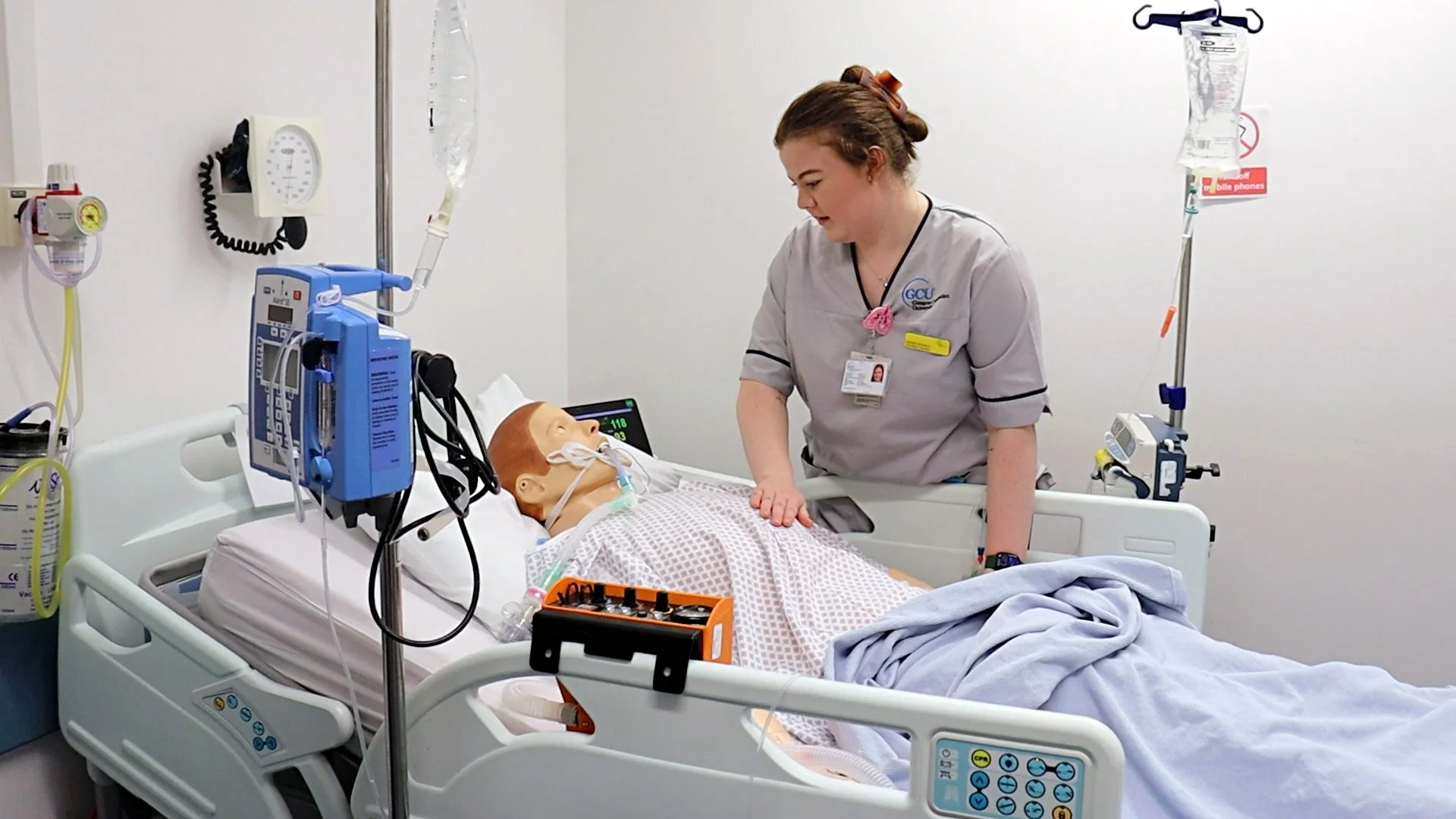
Glasgow Caledonian University is a key provider of healthcare education, playing a role in shaping the future NHS workforce through collaboration and partnerships with health, social care and third-sector organisations.
Students develop diverse skills so they can work across the full spectrum of care - from prevention and community-based services to acute and specialist settings. Glasgow Caledonian’s courses train students to deliver person-centred care, including working with other professions and agencies in the complex healthcare environment during their placements.
The University’s collaborative approach means the training and programmes they offer evolve in line with the everchanging healthcare landscape. This is illustrated by the launch of new programmes such as its Masters in Community Nursing and the launch a new Department of Allied Health Professions which promotes greater interdisciplinary working.
In terms of widening access, the University helps more people into higher education and the health sector is a major focus for the University, with 50% of the GCU Foundation’s scholarship applicants coming from health-related programmes.


HERIOT-WATT UNIVERSITY
Shaping future public services through healthcare innovation
Heriot-Watt University is redefining how universities support public services by bringing together engineers, researchers, clinicians, and communities to co-design health and care technologies that work in the real world.
Heriot-Watt’s innovation landscape spans the Global Research Institute in Health and Care Technologies, the National Robotarium, the Medical Device Manufacturing Centre (MDMC), and a growing network of partnerships with the NHS, social care providers, third-sector organisations, local authorities, and other universities. Operating across their campuses in Scotland, Dubai, and Malaysia, our global ecosystem is focused on creating people-centred innovations with clear public value.
The University is working with future frontline nurses at Edinburgh Napier University to help shape the clinical technologies they’ll use in practice, ensuring they have a voice in their development. The collaboration with Blackwood Homes and Care saw the University trial socially assistive robotics to support independent living in social care settings. Through Tay Health Tech, Heriot-Watt is partnering with NHS Tayside and Scottish Enterprise to fast-track MedTech innovation that responds directly to local population needs. Home to the MDMC, they also worked with 63% of Scotland’s domestic MedTech sector and worked with SME’s to help bring 17 new products to market that will improve the lives of people using public healthcare.
This diverse yet joined-up approach is about more than invention, it’s about embedding innovation into the fabric of public service delivery. By working side by side with practitioners and patients, Heriot-Watt is helping to build more responsive, inclusive, and future-ready public services.

ABERTAY UNIVERSITY
Employability through games design
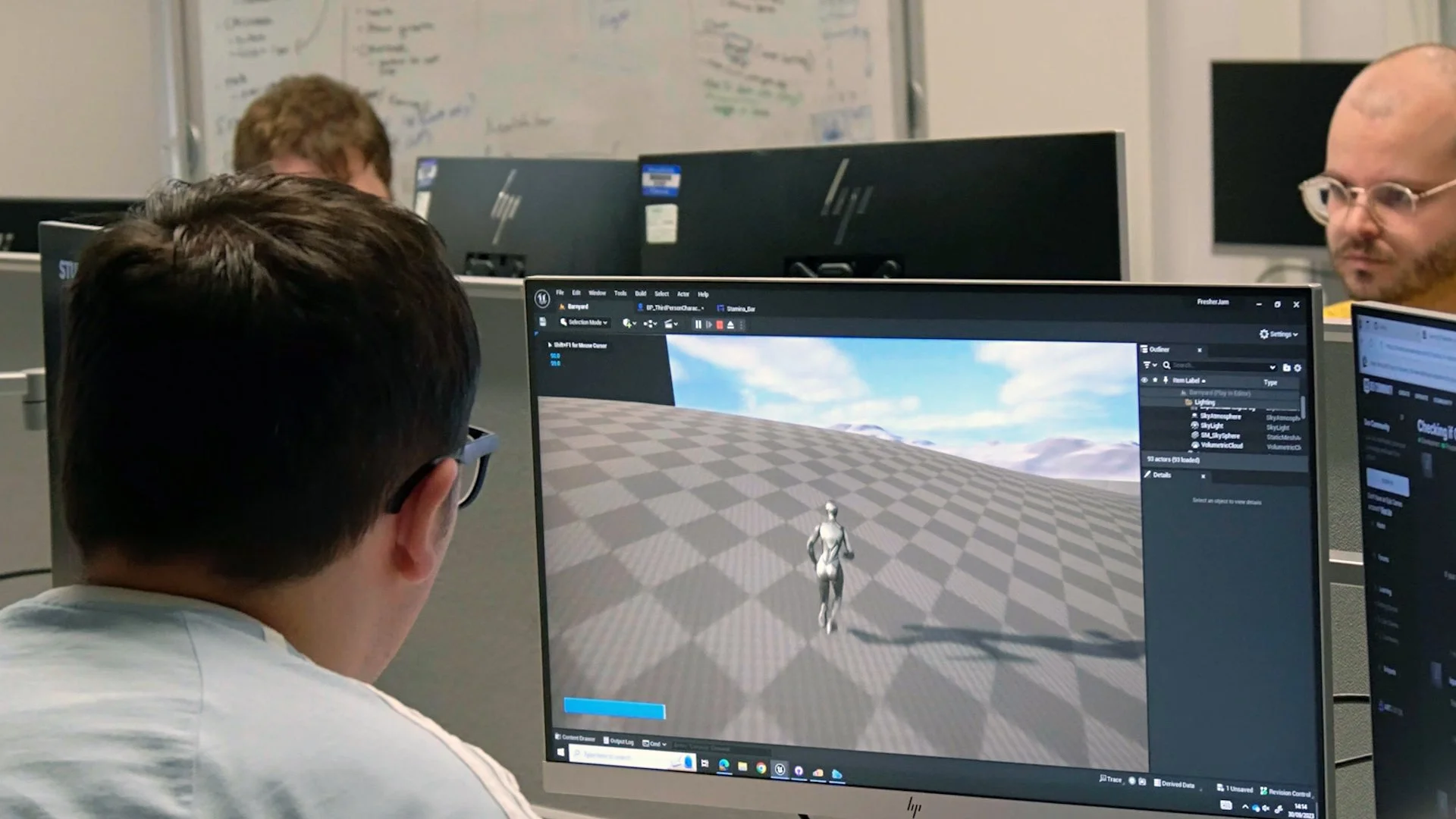
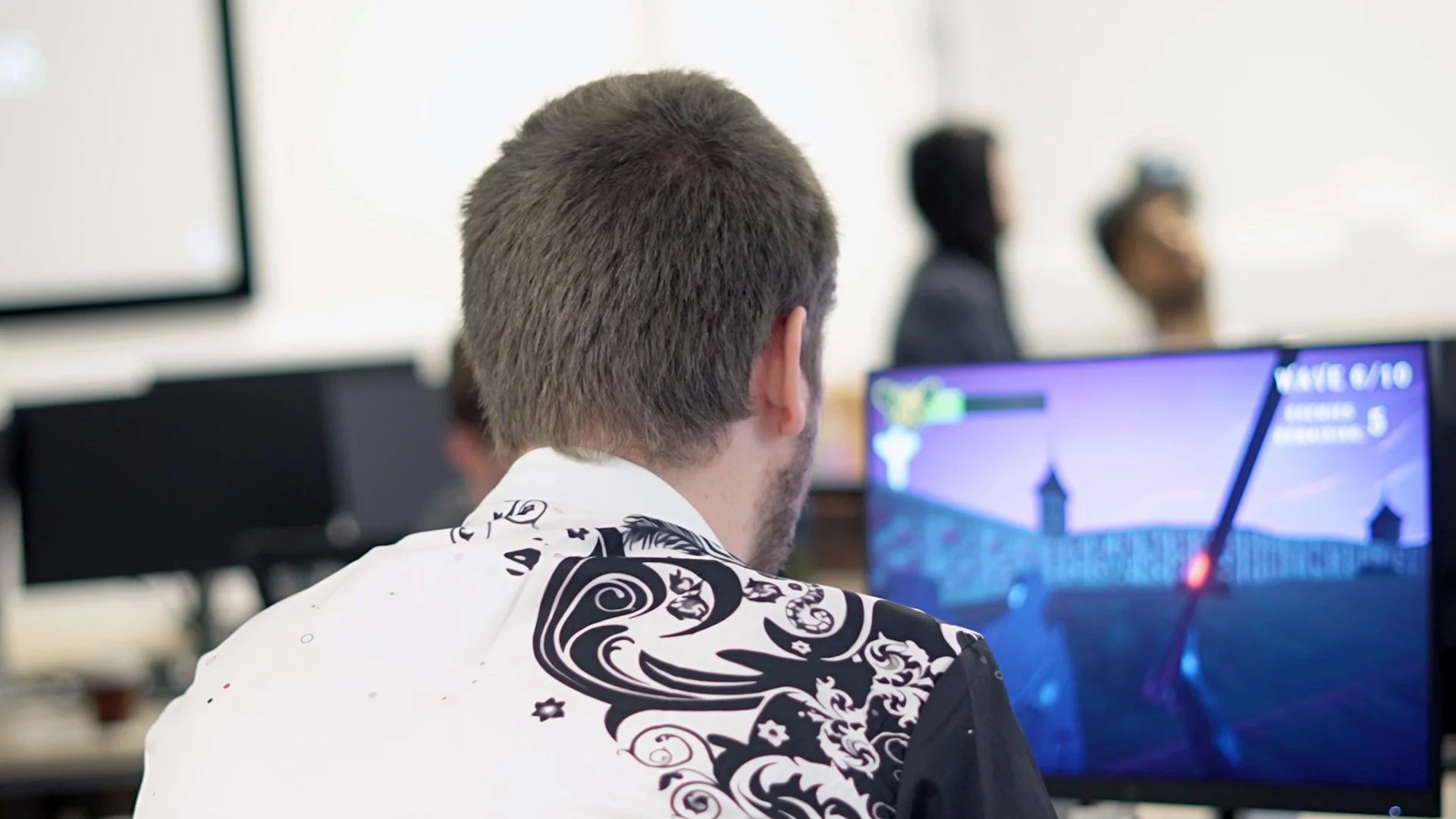
Abertay University supported BRAG enterprises, a community organisation based in Fife, with its ‘No-one Left Behind’ initiative, as funded by the Scottish Government, to support youth employment. The partnership brought together staff and students in Abertay’s School of Design and Informatics with BRAG’s tech hub in Leven to give young people aged between 19-24 an experience of possible careers in the computer games industry, as well as confidence building and skills development such as team-working. Participants in the initiative engaged in bi-weekly workshops, learning various stages of game production. BRAG aims to inspire the next generation of creatives and link unemployed individuals with essential skills for future growth. Many of those who have participated in the initiative have continued their studies at Abertay University in Games Design.
UNIVERSITY OF ABERDEEN
Essential research for rehabilitation
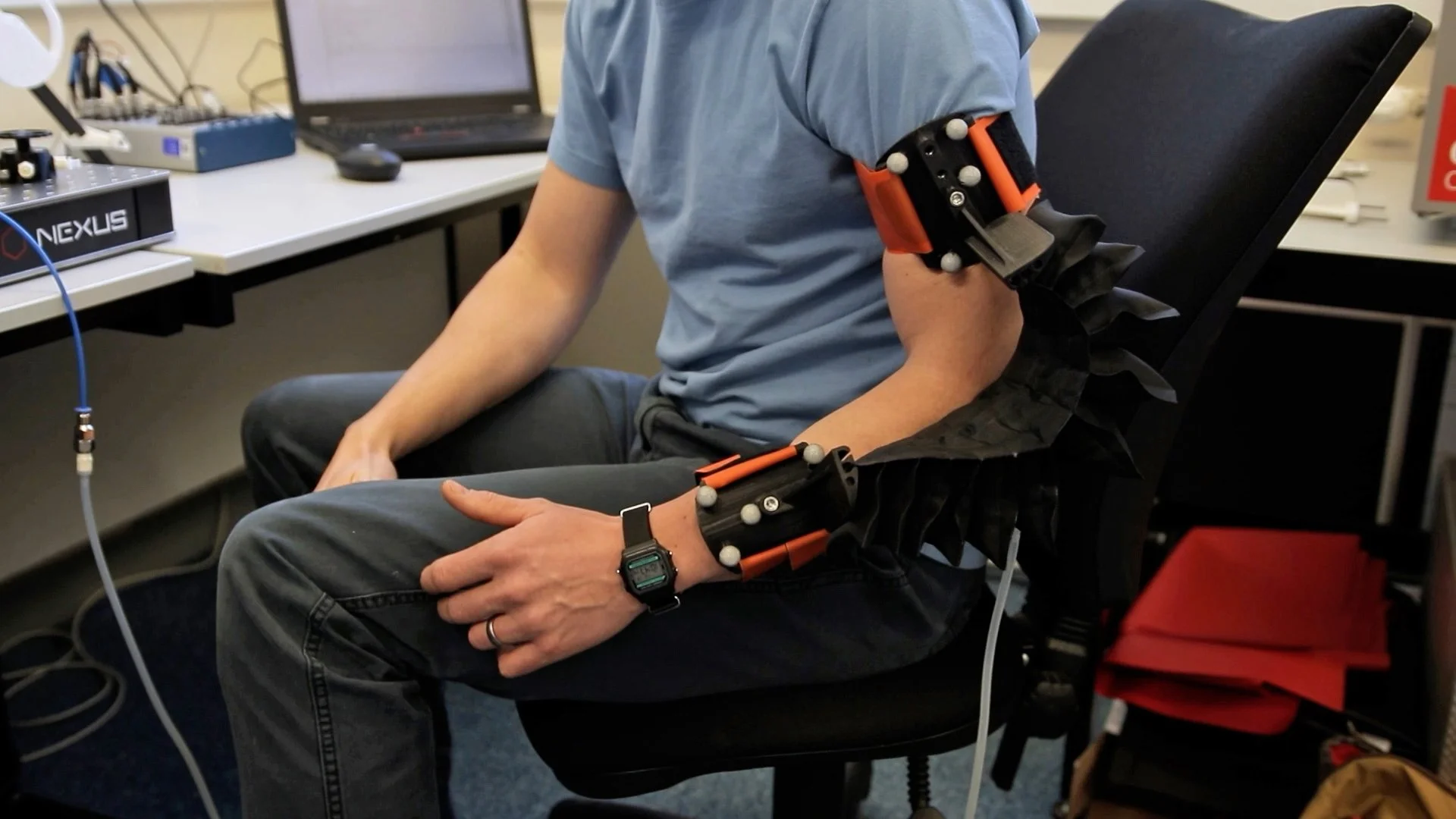
People recovering from strokes could have their recovery boosted by a new 'soft robotic arm' being developed at the University of Aberdeen. James Greig, a final year PhD researcher, in partnership with Thérèse Lebedis OBE, Consultant AHP (Occupational Therapist) in Stroke, has designed and built a device which could allow patients to carry out physiotherapy at home in addition to assisted physiotherapy. The lightweight, affordable equipment uses flexible, inflatable material to support the arm as it makes basic repetitive movements – essential for rehabilitation following a stroke. Like many public services, access to physiotherapy is limited; James identified a need for technologies that patients can use safely at home to complement their regular physio.
Whilst the robotic arm was designed with stroke patients in mind, it could be used to assist anyone undergoing physiotherapy on this specific movement of the arm. The robotic device is worn on the arm and works by pumping air from a small compressor into a series of strips of material which inflate, press against each other and encourage movement in the limb - akin to a bicep curl.
GLASGOW SCHOOL OF ART
Paving the way for future creative careers
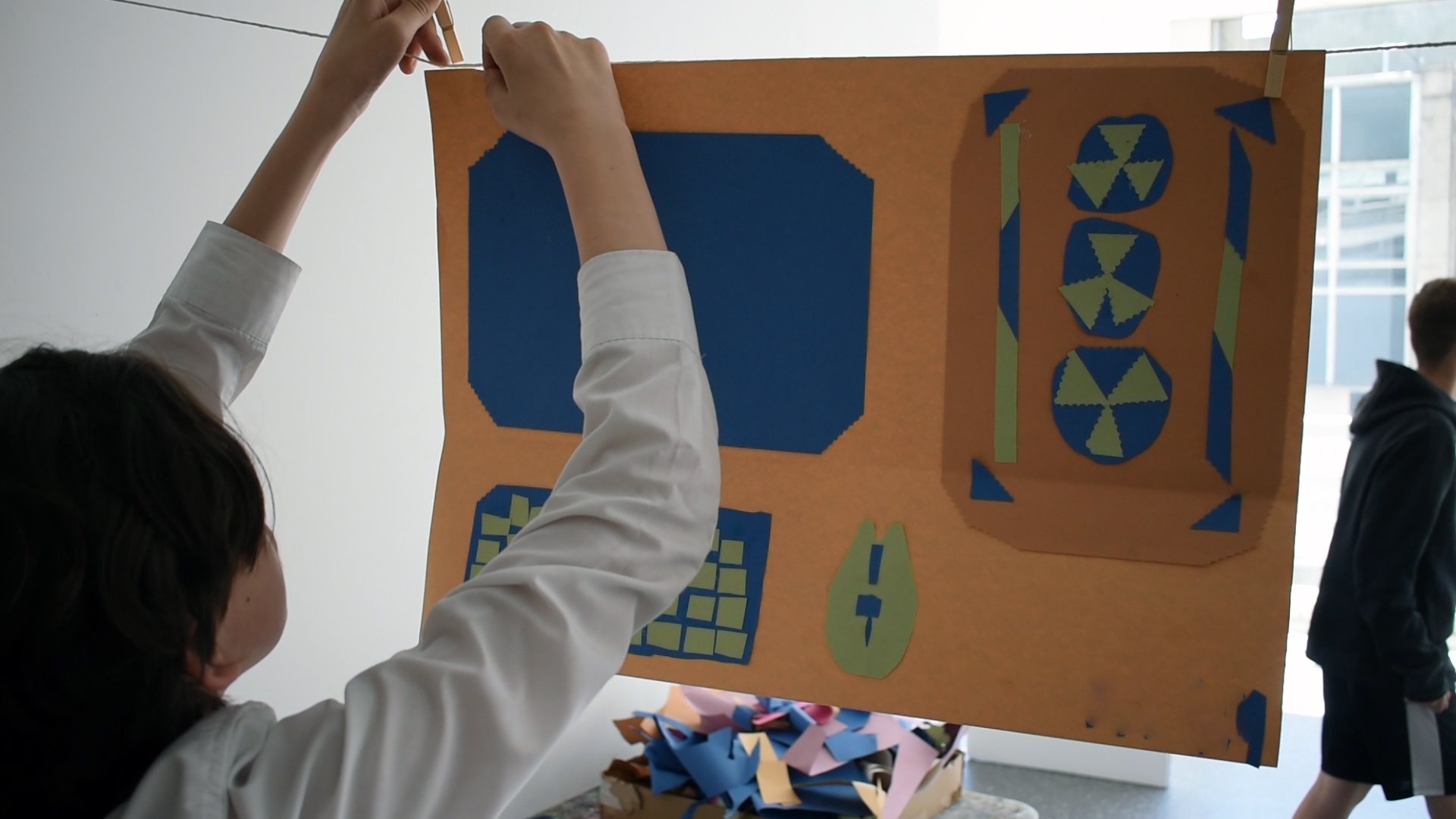
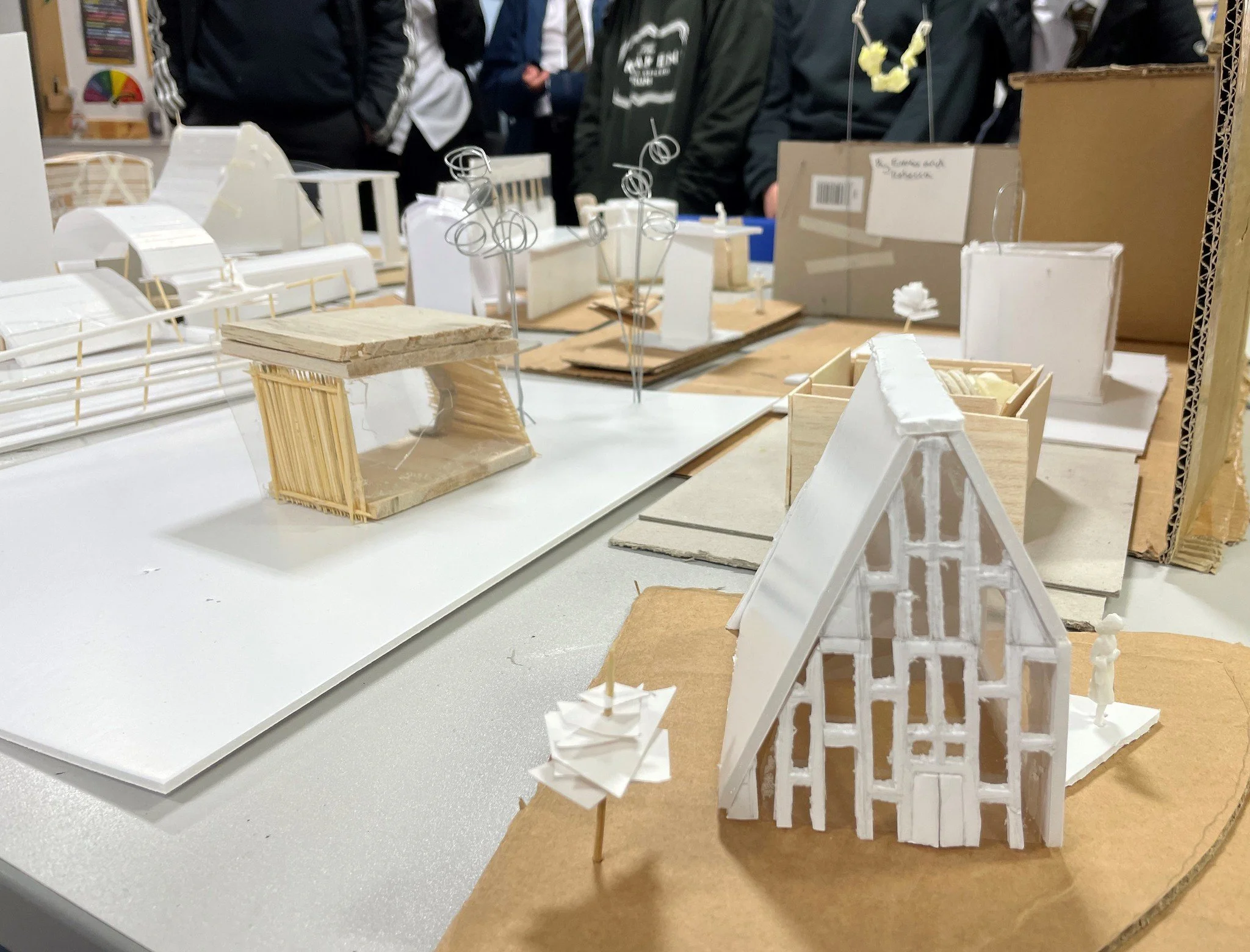
The Glasgow School of Art’s partnership with Castlehead High School in Paisley, supports pupils from S1-S6 to benefit from learning through creativity. The school’s annual Creativity Week in May sees more than 85% of S1-3 pupils participate in a range of creative workshops or lessons with artists, GSA tutors, teachers from across the school curriculum and representatives from industry. The workshops cover areas such as designing a theme park, fine art to poetry, jewelry making, engineering and architecture.
In addition to the annual Creativity Week, GSA tutors pay regular visits to the school to work on design-related projects with the pupils, who also receive regular trips to the art school to learn from GSA tutors in a studio-based environment. The Castlehead and GSA partnership was first formed in 2017, involving Renfrewshire Council. It was inspired by research showing that learning through arts and culture can improve life skills and attainment across all subjects. It is designed to unlock potential in pupils, encourage innovative thinking, increase attainment and develop skills needed to thrive not just at school and work but in broader society.
UNIVERSITY OF ST ANDREWS
Strengthening the local community
The University of St Andrews Community Fund (UCF) has, over the past four years, made a significant and lasting contribution to communities across Fife. With close to £300,000 in funding, it has supported a diverse range of initiatives, strengthening sustainability, inclusion, culture, and community wellbeing. The fund reflects the University’s deep commitment to civic responsibility and partnership, ensuring that local organisations can deliver meaningful change.
During the Covid-19 pandemic, the fund played a critical role in supporting local responses, enabling the procurement of PPE, funding digital access for remote learning, and providing emergency aid. The Community Aid St Andrews project distributed protective equipment, while St Andrews Environmental Network and Fife International Forum adapted their services with additional support, ensuring vulnerable groups were not left behind.
As the cost of living continues to challenge households, the fund has provided essential assistance to organisations offering food, warmth, and basic services. Examples include a clothing donation project at the North East Fife Community Hub and several school uniform Exchange programmes to ease financial pressures on families. These initiatives have had an immediate and practical impact on people’s lives.
The University of St Andrews Community Fund has been a catalyst for lasting change, enabling organisations across Fife to expand their impact and strengthen their resilience.
ROBERT GORDON UNIVERSTIY
Creating pathways between secondary schools, colleges and university
In partnership with regional schools, Robert Gordon University has created a bespoke ‘Hub’ model which comprises sustained engagement between the University and secondary schools across the Aberdeen City and Shire regions. RGU staff deliver bespoke interventions to meet the needs of the schools and their learners, including providing personalised guidance to pupils from widening participation backgrounds. The programme offers students aspiring to attend university an opportunity of subject-focused sessions on a wide variety of courses that RGU offers and is delivered by the University’s teaching staff. The 2023/24 ACCESS TO programme had more than 1,000 S5 & S6 students enrolled. We also have our Northern Lights programme that provides S1 & S2 learners with a flavour of campus life.
The University works closely with colleges, particularly North East Scotland College (NESCol) with whom we have a longstanding strategic partnership. This works to ensure a joined-up approach to curriculum planning and learner pathways within the region, enabling College students to seamlessly articulate into RGU degree programmes with advance standing. RGU and NESCol also collaborated as part of the SFC Regional Tertiary Pathfinder in the North-East to develop new learner pathways.
UNIVERSITY OF GLASGOW
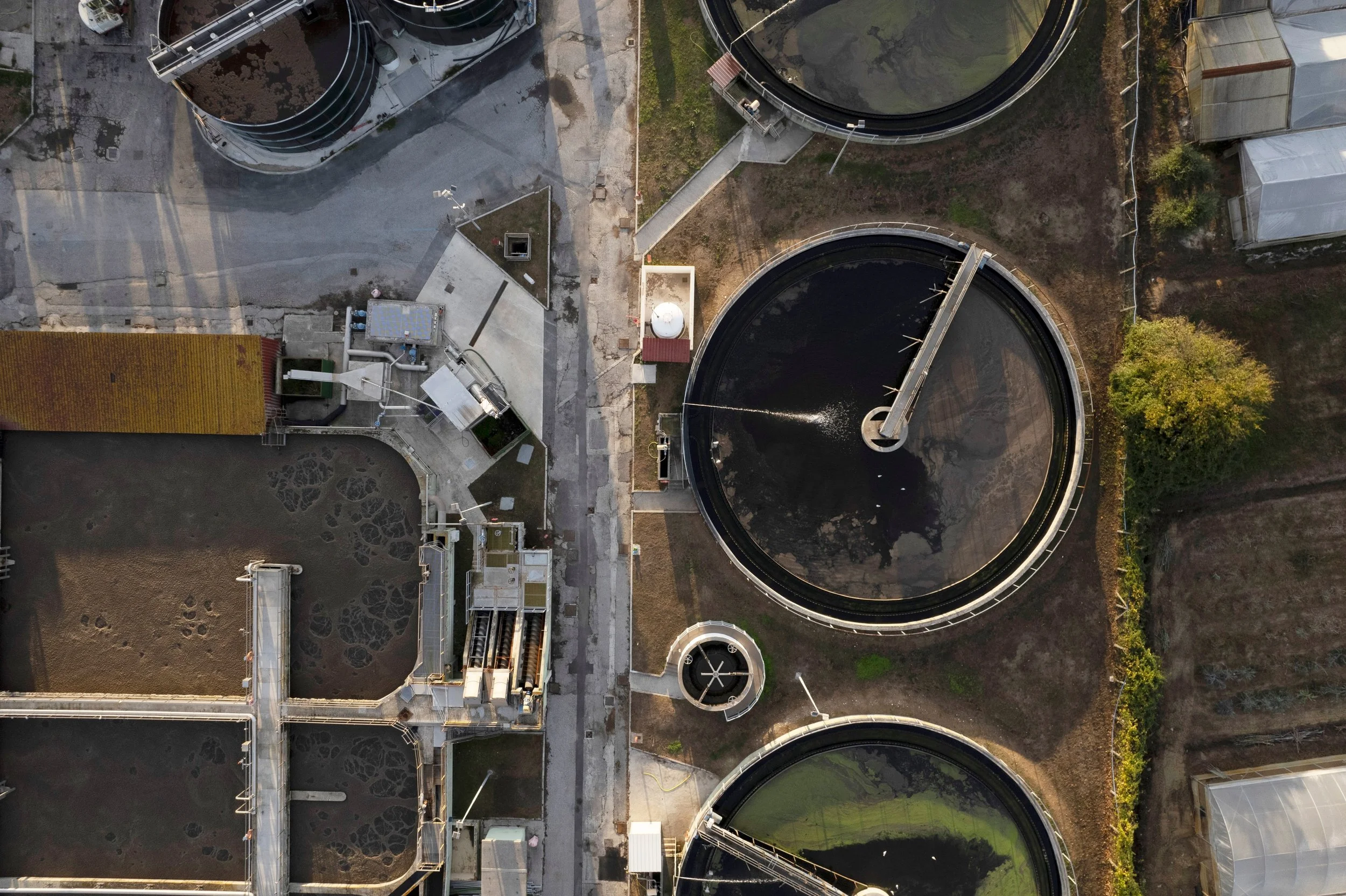
Innovating the nation’s approach to water and sanitation
The University works closely with Scottish Water, the organisation responsible for the supply of potable water and for treatment of wastewater in Scotland. This collaborative working relationship focuses on research and practical solutions for water management and infrastructure. Both the University and Scottish Water share concerns about water sustainability, such as pharmaceutical pollution and future water management, which are explored in various research projects, estates initiatives, and expert webinars led by the University.
Scottish Water are key partners in several ongoing research projects, including work exploring how high-science approaches can be taken to develop low-tech solutions to the treatment of drinking water, such as slow sand filtration. This work seeks to support Scottish Water in mitigating the significant energy and carbon costs associated with water treatment in rural systems.
The partnership also extends to work that explores how the University can develop its approach to low-carbon energy solutions for its own estate. Most notably, working with Scottish Water Horizons to explore the feasibility of using innovative technology to capture waste heat from the nearby sewer pumping station at Partick in the West End of Glasgow.
The University and Scottish Water have also participated in events like the Glasgow Science Festival to educate the public about water quality, treatment, and sustainable practices in Glasgow and across Scotland – showcasing how a partnership approach can drive forward progress towards achieving the aims under SDG 6 Clean Water and Sanitation in a national context.