A partner in pursuit of net zero
Green transition
Scotland’s journey to Net Zero is the challenge – and opportunity – of a lifetime. As custodians of the environment around us, and as community assets deployed for the common good, Scotland’s universities have a crucial role in creating the sustainable and joined-up solutions with the local and global impact we need.
Case Studies

UNIVERSITY OF THE WEST OF SCOTLAND
Leaders in circular economy benefit from local university’s academic work
SCOTLAND’S RURAL COLLEGE (SRUC)
Revolutionary science and innovation for our agricultural sector
UNIVERSITY OF ST. ANDREWS
Saving money and cutting the carbon footprint of staff and students

UNIVERSITY OF THE WEST OF SCOTLAND
Working together with commercial partners in the circular economy
EDINBURGH NAPIER UNIVERSITY
‘Mind the Gap for Biodiversity’ - a groundbreaking collaboration for potential
UNIVERSITY OF THE WEST OF SCOTLAND
Leaders in circular economy benefit form local university’s academic work
UWS works with Advanced Clothing Solutions (ACS), which is the EU’s largest circular fashion hub, to develop low carbon processes and eco-friendly technology, which effectively sanitises clothing and textiles in bulk. ACS are leaders in the circular economy in the textiles industry, providing rental, resale, and refurbishment services to commercial partners and clothing brands such as eBay, Decathlon, North Face and LK Bennett to help prolong the life and maximise the use of garments. Their mission is to transform the fashion industry from the traditional linear take-make-dispose model, towards a circular fashion model. Working with UWS, ACS has led to the creation of a patented sanitisation chamber, using ozone gas to effectively decontaminate clothing. The sanitisation chamber aims to address consumer worry and perception about the cleanliness, odour and germs on pre-loved, rental and re-sale clothing by killing germs and removing odour to a medical grade standard without degrading garments.
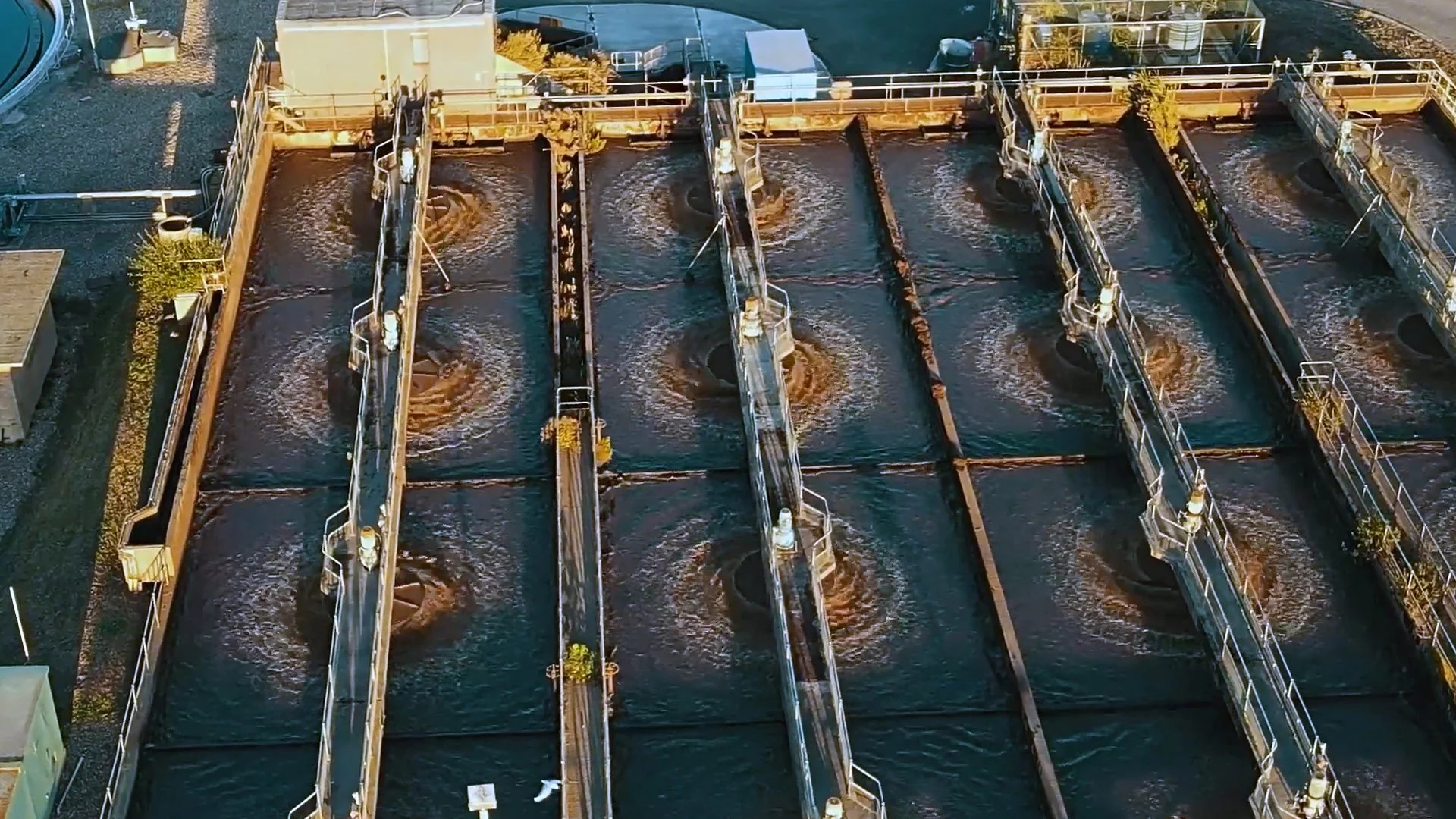
UWS academics have also developed a system for recycling water to help ACS minimise how much water is used as part of their processes. UWS researchers created a 3D simulation to look at ACS’s water consumption throughout the business, enabling them to make decisions about where water can be conserved, reused, recycled, and assess the impact of those choices. This reduced ACS’s overall water consumption, a significant environmental benefit that also helped reduce business cost.
UNIVERSITY OF ABERDEEN
National Decommissioning Centre: Pioneering research and innovation for a Net-Zero energy future
The National Decommissioning Centre (NDC) is a global leader in research and development supporting decommissioning within the energy sector. Established through funding from the Aberdeen City Region Deal, the NDC was launched in January 2019 as a partnership between the University of Aberdeen, the Net Zero Technology Centre and industry.
The NDC partners nationally and globally with energy companies, universities, R&D institutions, and innovation centres active in both decommissioning and energy transition. Working across the oil and gas, nuclear and renewables sectors, the NDC has leveraged academic capability and skills to deliver 35 projects addressing industry challenges, with another 25 ongoing.
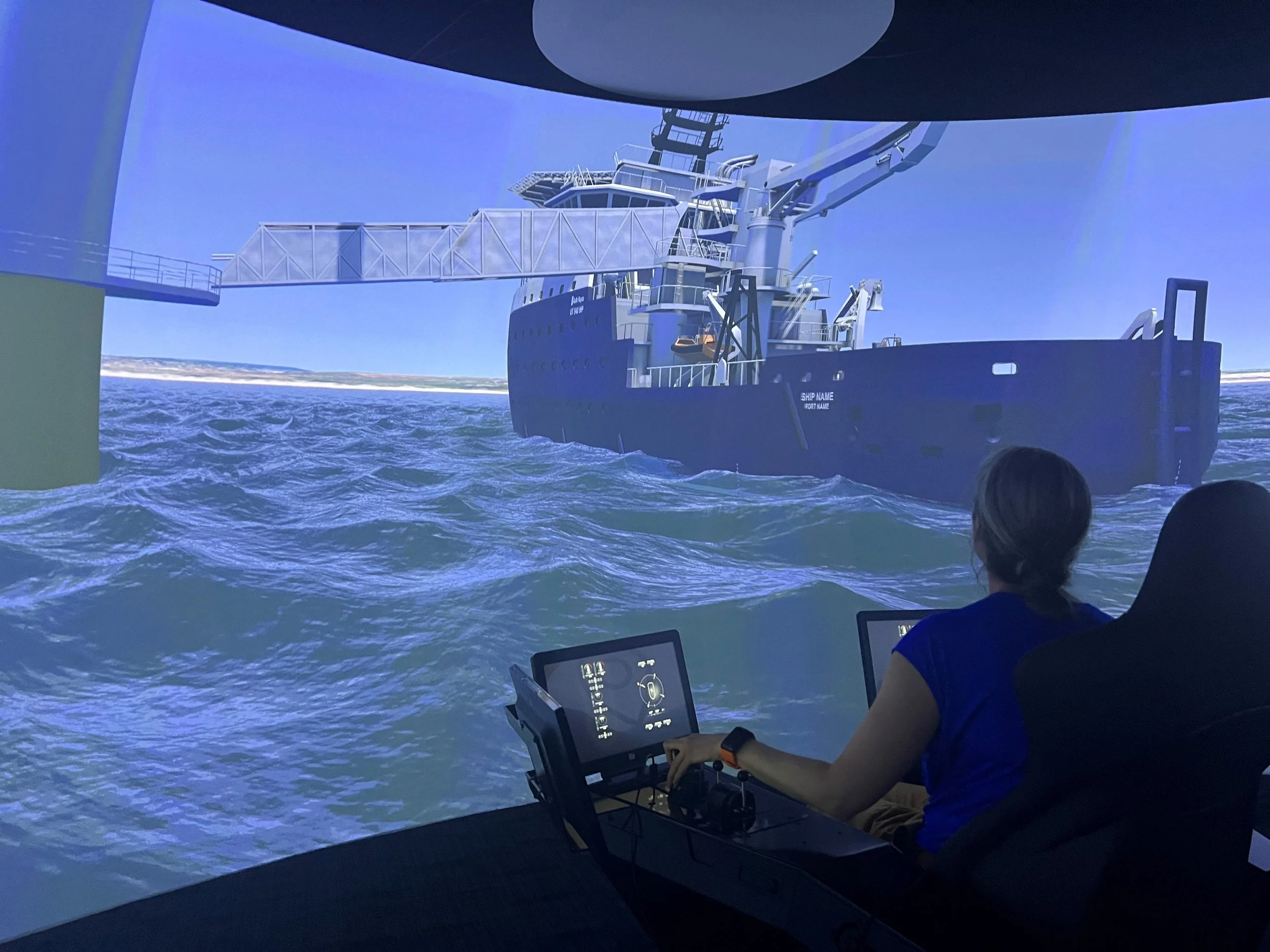
The NDC’s marine simulator provides a facility for its industry partners to trial and de-risk offshore operations including decommissioning scenarios and novel floating wind technologies in a safe virtual environment while the NDC’s industrial laser has facilitated the development of underwater laser cutting for decommissioning, in partnership with Claxton, part of the Acteon Group.
By addressing key challenges in decommissioning, such as technology development, environmental sustainability, emissions reduction and cost and environmental and risk management, and by exploring solutions for integrating renewable energy assets, such as offshore floating wind, into the broader energy mix, the NDC is contributing to the energy sector’s transition towards net-zero emissions.
UNIVERSITY OF STIRLING
The Scotland Hydro Nation Chair
The Hydro Nation Chair (HNC) is a partnership between academia and Scottish Water, led by the University of Stirling, that aims to catalyse research and innovation to support the Scottish water sector’s ambition to move beyond net zero by 2040.
Meeting these challenges requires disruption of the status-quo of water management - tackling the complex interaction of climate and land use changes through natural systems for water and wastewater management at catchment scale, rather than focusing exclusively on the end of the pipeline. This can only be achieved by breaking down siloes, driving commonality across water management.
The impacts of climate change in Scotland are already being experienced through water as periods of drought and intense rainfall become more frequent. The Hydro Nation Chair programme has already delivered sustainable water management solutions. Examples of these solutions include introducing state-of-the-art technologies to establish the sector’s carbon emission baseline, developing novel bio-electrical filtration technology, supporting resource
Since its inception in 2021, HNC has supported 33 early-stage research and innovation projects that deliver next-generation, interdisciplinary approaches, and novel interventions to the net zero challenge.
Hosted by the University of Stirling and led by Stirling’s Professor Andrew Tyler, HNC is funded by Scottish Water through the Scottish Funding Council. Established in response to the water sector’s vision and Scottish Government’s Hydro Nation strategy, the programme aims to develop Scotland's water resources for the maximum economic benefit. The £3.5m programme has leveraged five times the initial investment and is driving transformational change in water and wastewater operations.
SCOTLAND’S RURAL COLLEGE (SRUC)
Revolutionary science and innovation for our agricultural sector
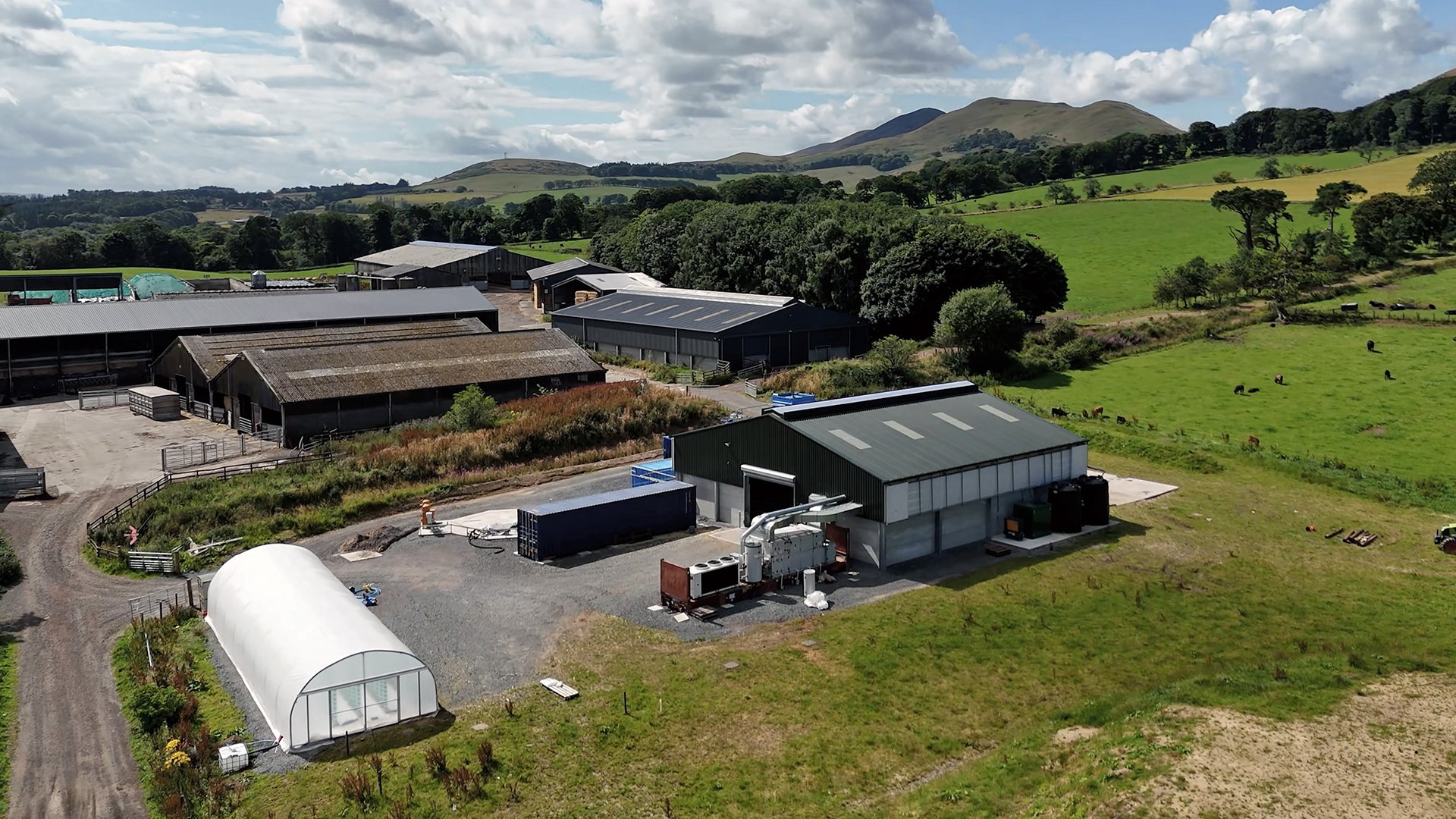
Based at the SRUC research farm in Midlothian, GreenShed is a revolutionary project which uses cattle waste products to power a methane capturing system and grow indoor crops. The project also has the potential to remove the equivalent of 237 tonnes of carbon dioxide per farm per year.
Led by SRUC, the other GreenShed partners are the University of Strathclyde, Galebreaker, UKAgriTech Centre, No Pollution Industrial Systems, Organic Power Ireland, Saturn Bioponics and N2 Applied. The shed’s anaerobic digestion plant will use waste cattle bedding to produce energy to run a methane capture system. Excess energy will then be used to power a vertical farm and low-carbon fertiliser system.
GreenShed showcases how researchers, businesses and other partners can collaborate effectively to shape a more resilient, nature-positive producer supply chain that’s aligned with the aims of the national Food Strategy. The project will also allow farmers to improve their profitability, expand their saleable food products, and reduce the environmental impact of beef production.
UNIVERSITY OF GLASGOW
Ensuring Crichton’s heritage has a sustainable future
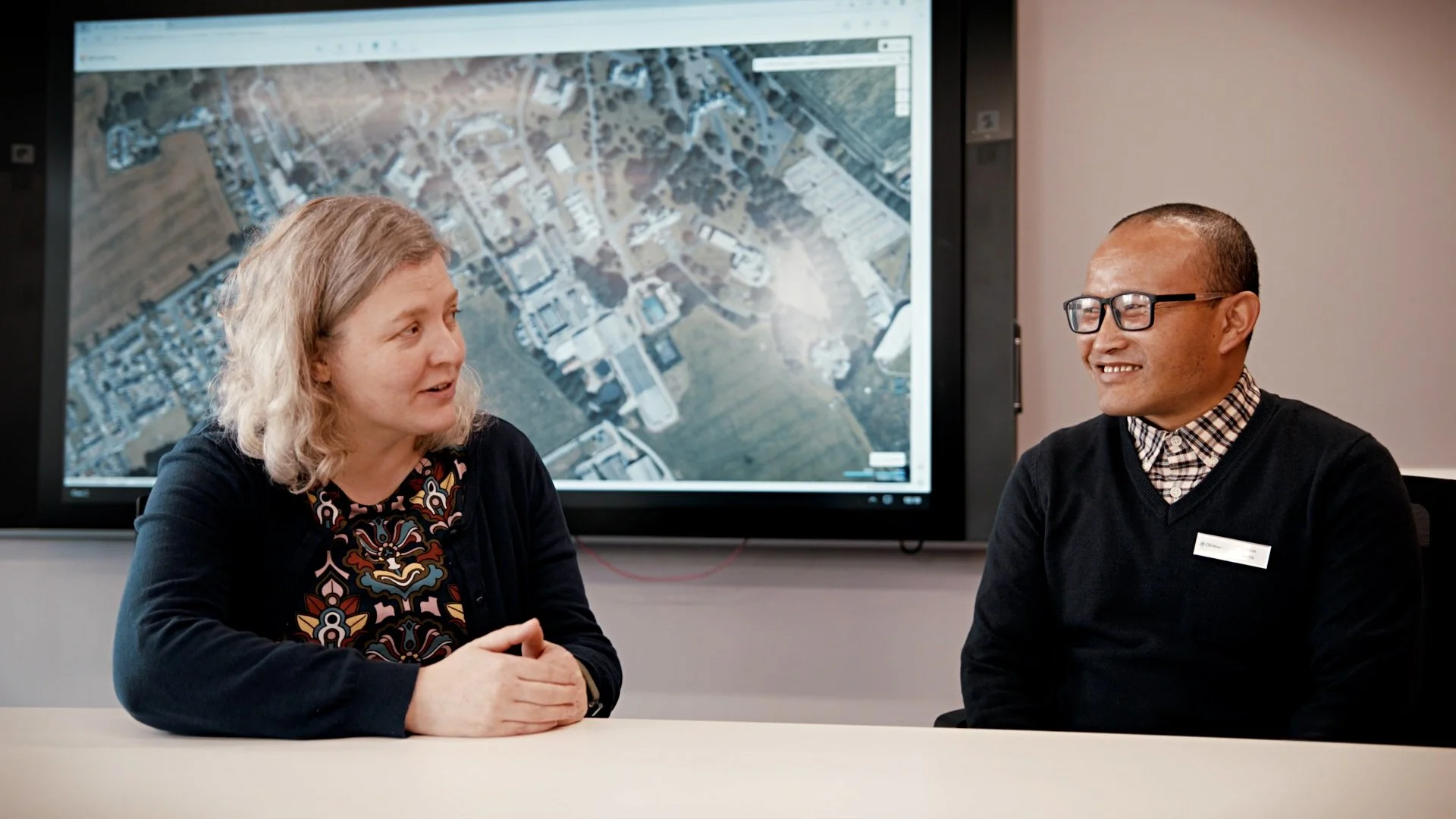
The University of Glasgow has supported social enterprise the Crichton Trust, through the Knowledge Transfer Partnership model, to help the Trust address its environmental sustainability challenges. As a former psychiatric hospital, the estate has several ageing buildings which pose real challenges to its environmental responsibilities. Under the KTP model, the University provides the research expertise of a research student, the “associate”, supported by academics more broadly, targeted to the needs of the third party. Drawing on his existing research, KTP Associate Sonam Norbu analysed the energy consumption data of different parts of the estate to develop high-impact local energy solutions for the Trust. The focus has been on the co-creation of a bespoke blueprint which is scalable, resilient and affordable.
The project is an exchange of ideas and both partners benefit from the experience. Crichton Trust Chief Executive Gwilym Gibbons has found the model to be highly effective, embedding new knowledge in the heart of the organisation. The project has supported a 20-28% reduction in natural gas usage in the Trust’s buildings which could translate to annual financial savings of £65,000-£132,000 across the entire estate. The University of Glasgow School of Engineering’s Professor David Flynn lauded the partnership for its acceleration of the process from initial research concept, to lab, to real world impact.
UNIVERSITY OF ST. ANDREWS
Saving money and cutting the carbon footprint of staff and students across Fife
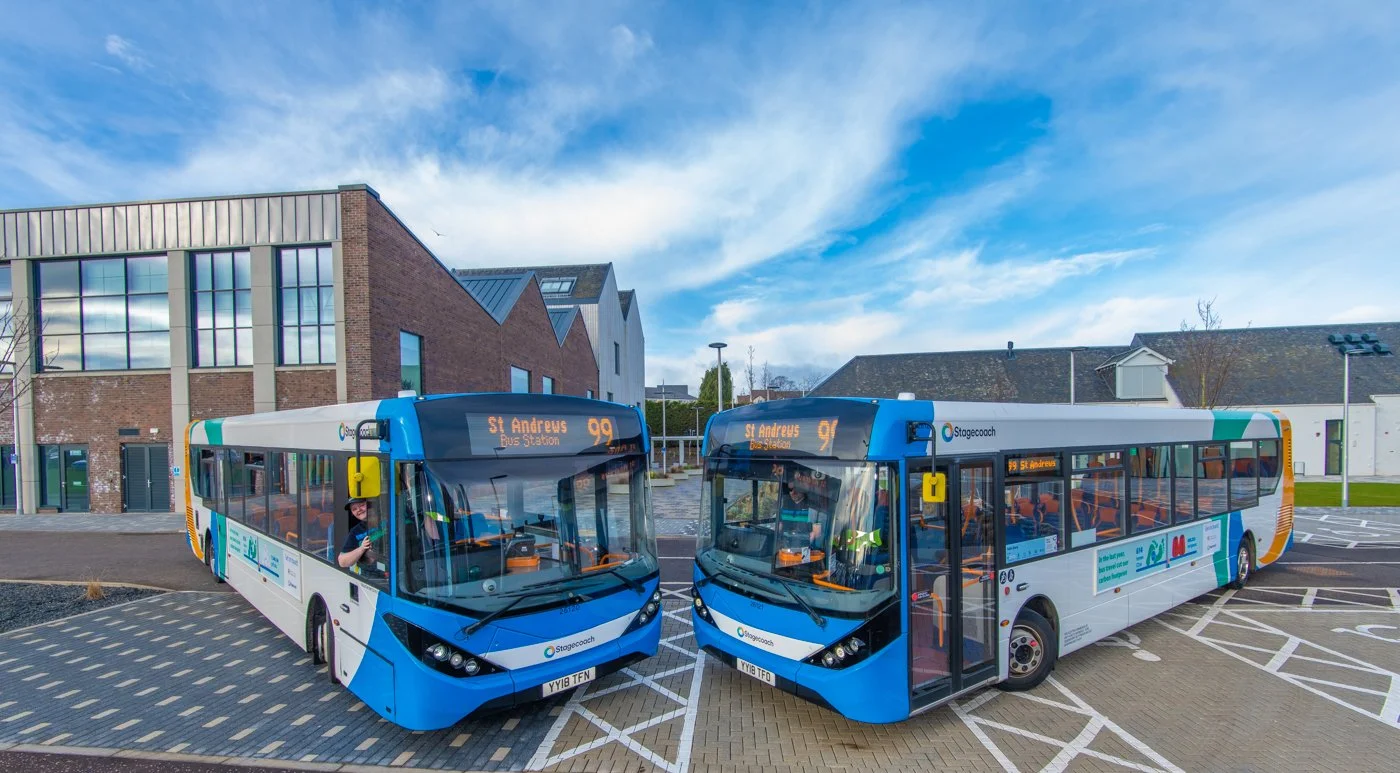
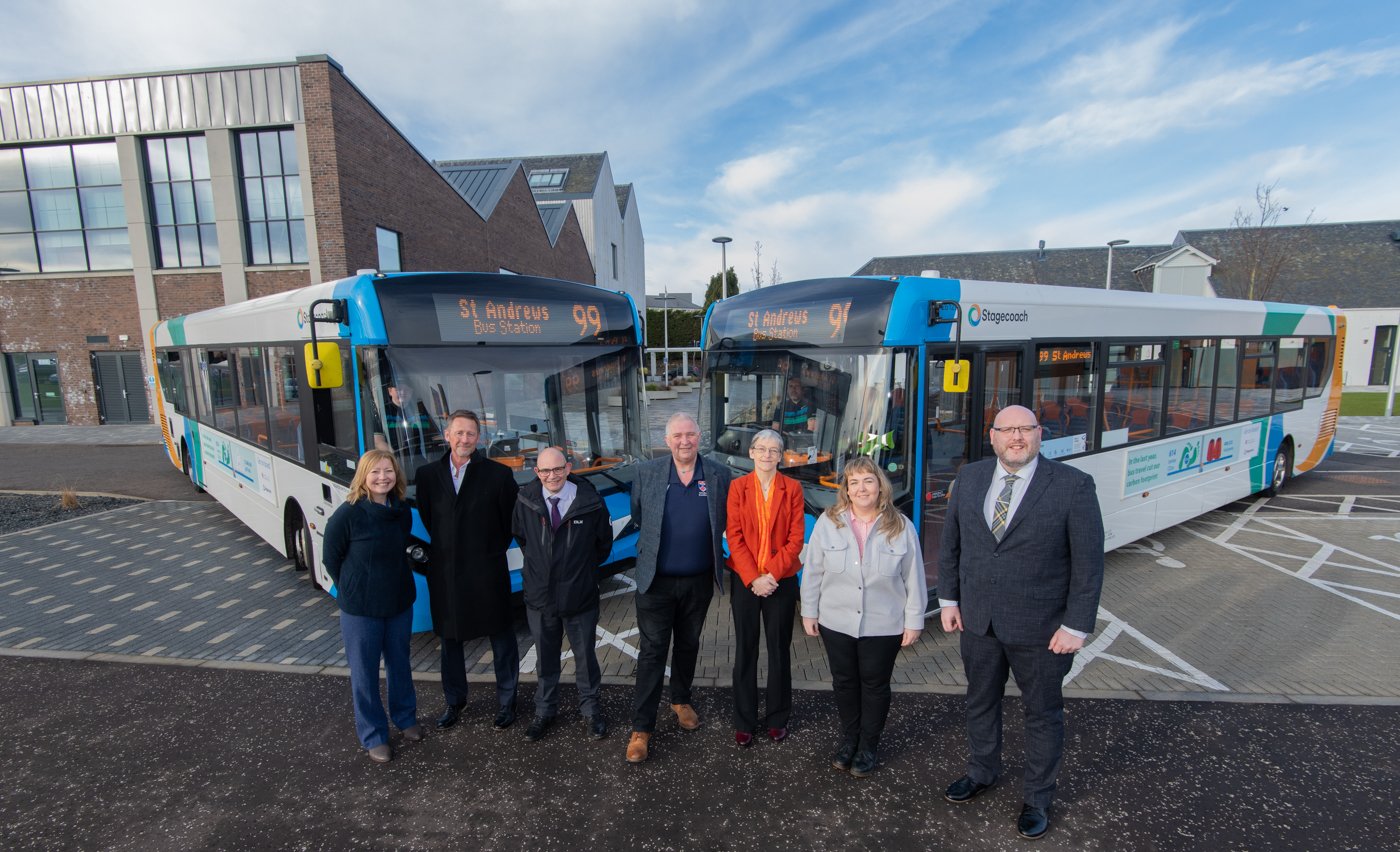
The University of St. Andrews and Stagecoach East Scotland have negotiated a special deal in order to offer a 75% discount on weekly and monthly bus tickets across St Andrews, North-East Fife, and East Scotland. The driving force behind the deal was to deliver a cost-of-living support measure, with additional carbon cutting benefits. The scheme aims to meet the University’s strategic objectives of becoming a more sustainable and socially responsible institution.
Subsidised by the University and its industry partners, since its launch the discount travel scheme has saved staff and students more than £1.7million collectively, encouraged greater use of public transport in a semi-rural area and has cut the carbon footprint for those travelling for work or study by 1,325 tonnes – over a third (34%) compared to equivalent car journeys. The pilot scheme was subsequently extended to cover other local bus operator, Moffat and Williamson, integrating ticket services on Stagecoach’s digital platform and ticketing app, to help make travel easier for those coming to the university, regardless of where they need to travel from. Launched in November 2022, the scheme has been running for over two years.
UNIVERSITY OF STRATHCLYDE
Working to address the challenges of a changing energy network
Scotland is home to a Power Networks Demonstration Centre, thanks to a multi-partner collaboration involving the University of Strathclyde, Scottish Power Energy Networks and SSE. The Centre is addressing key challenges in ensuring the electricity network of the future will be low carbon. With global populations increasing, the growing demand for power relative to the supply available, has become a serious problem in achieving a national and international vision of low carbon energy. The Centre, which is a world-class research, development and demonstration facility, also has support from Scottish Enterprise and the Scottish Funding Council.
The PNDC plays a key role in accelerating emerging technologies, particularly those in the mid-to-late technological readiness level, towards commercial deployment in a realistic, controllable environment. Developing new technologies for the future smart grid is vital to ensure adequate and timely investment decisions.
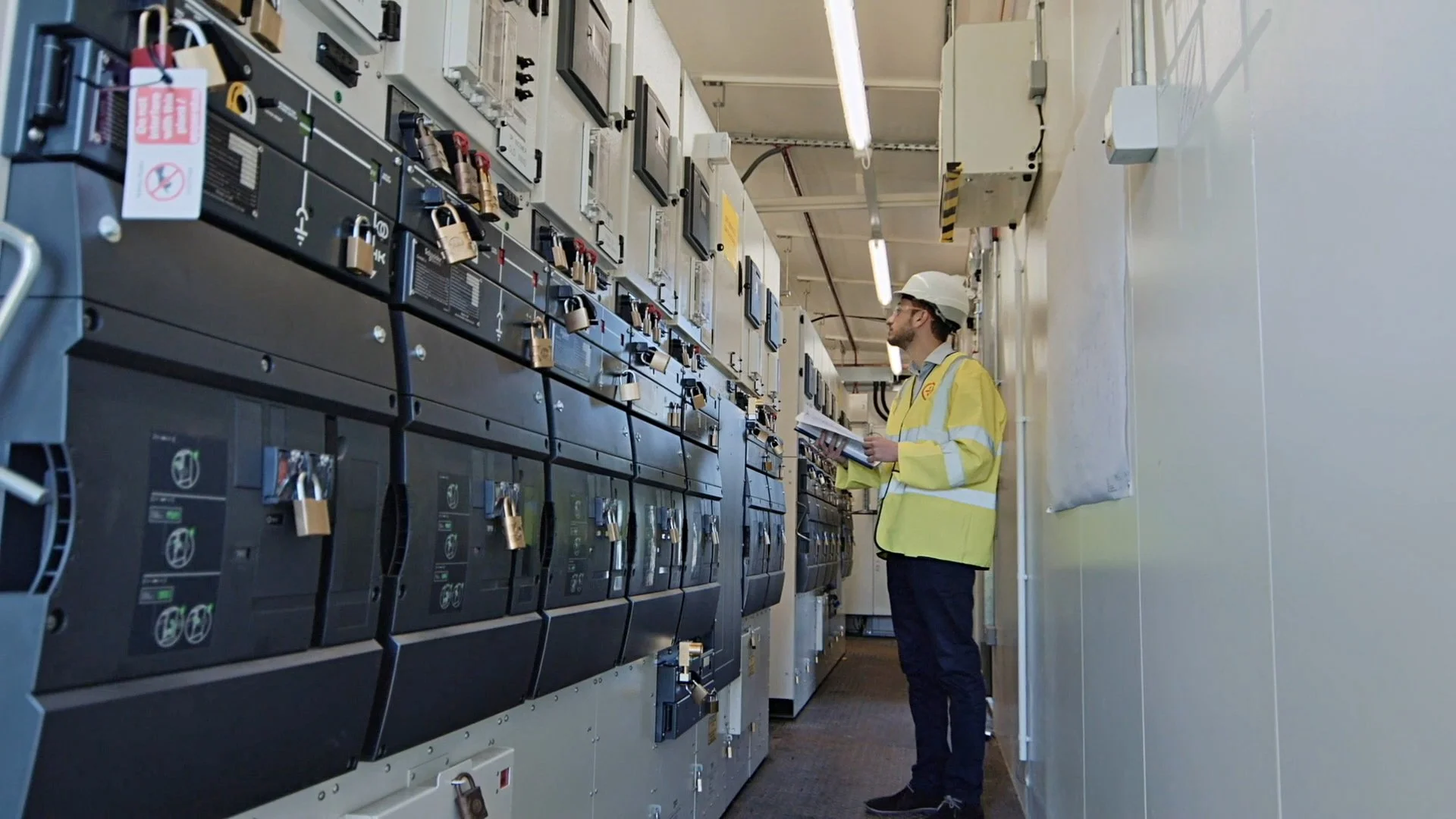
This is done through the use of a fully operational, real-world high and low voltage demonstration network which is integrated with state-of-the-art communications and monitoring equipment, as well as other bespoke integrated functionality.
UNIVERSITY OF THE HIGHLANDS AND ISLANDS
Partners in positioning Scotland in environment sustainability in healthcare
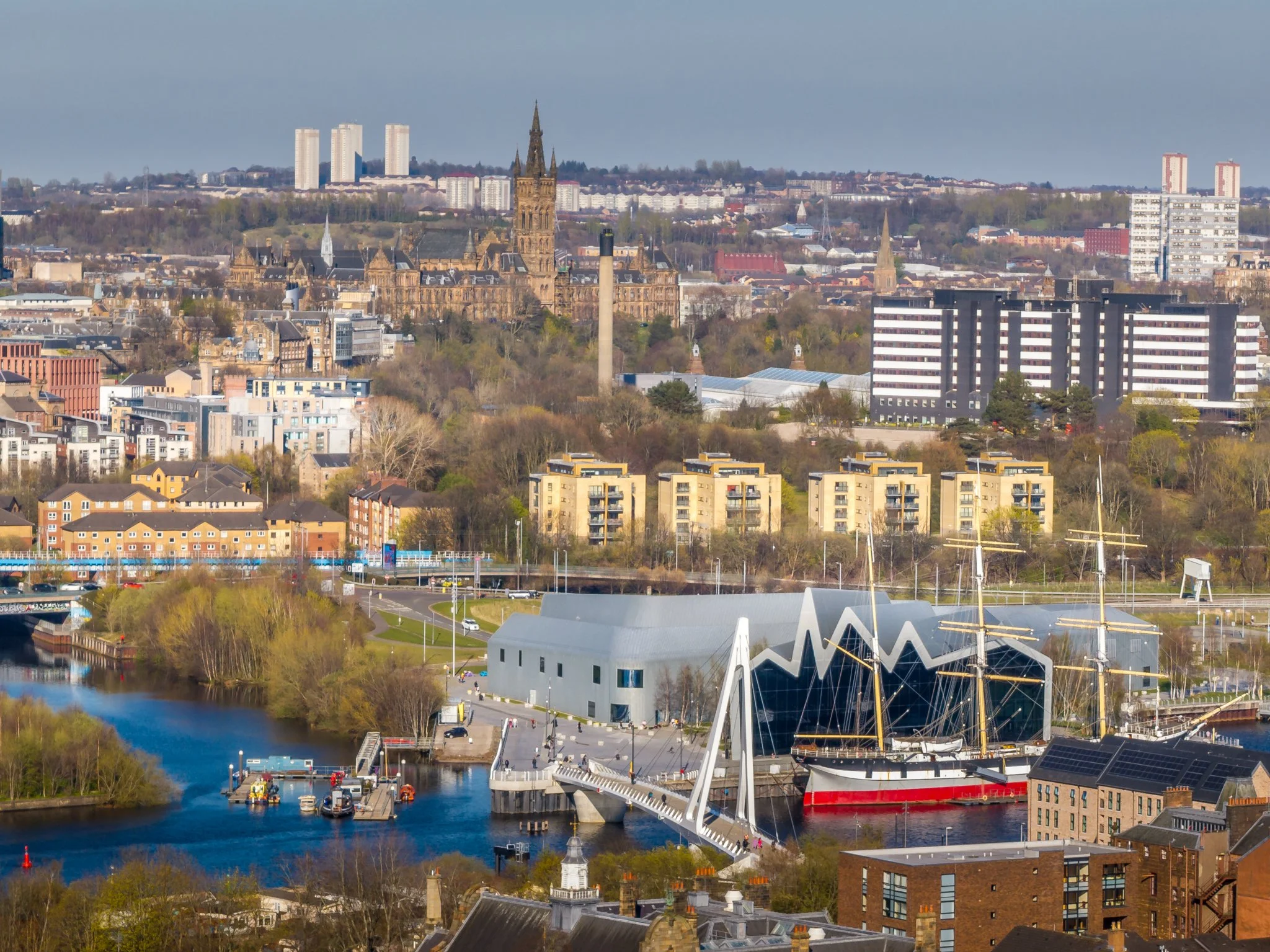
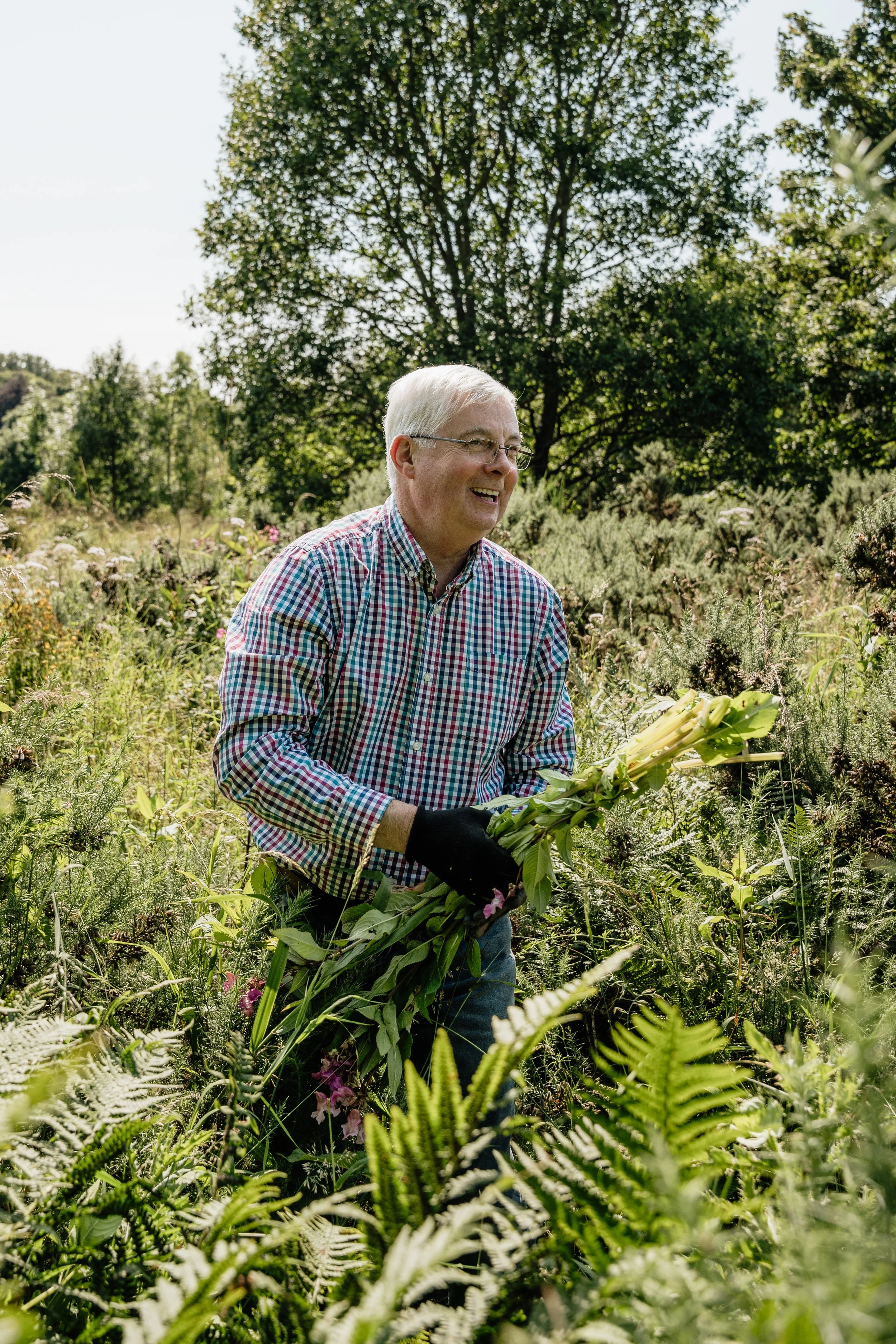
The One Health Breakthrough Partnership (OHBP) is a collaboration focused on reducing pharmaceutical pollution in Scotland and involves the work of the UHI Environmental Research Institute, NHS Highland, Scottish Water, SEPA, and the Centre for Water.
Founded in 2017 in the Highlands, it addresses this recognised public health and environmental issue through knowledge exchange, research and innovation, and cross-sector engagement. By adopting a One Health approach, recognising the links between human, animal, and environmental health, the OHBP is positioning Scotland at the forefront of global efforts to embed environmental sustainability into healthcare and policy.
In 2022, the partnership delivered Scotland’s first study on pharmaceutical pollution in rivers. It found nine commonly used medications, including antibiotics, painkillers and hormones, are at levels which pose a risk to ecosystems and antimicrobial resistance. It also developed the UK’s first open-access data visualisation platform combining prescribing and environmental data, helping policymakers and clinicians target action.
ROBERT GORDON UNIVERSITY
University’s unique riverside campus offers opportunity for biodiversity and the local community
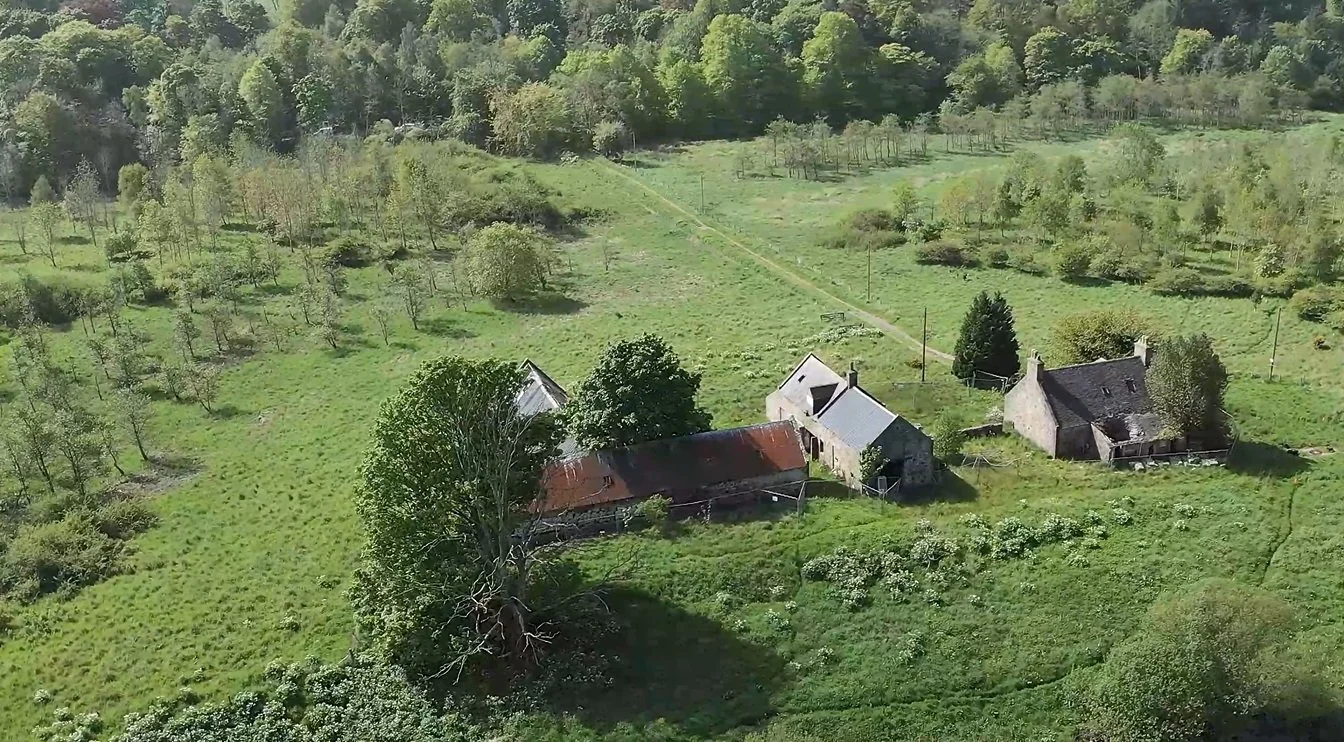
Waterside Farm is a 55-acre area of land owned by Robert Gordon University that sits directly opposite our riverside campus. The University is working with the environmental consultancy start-up, The Habitat People, to transform the area into an area of biodiversity, enhancing the already high carbon holding capacity of the site, and demonstrating an exemplary approach to land stewardship.
Waterside Farm is one of the biggest biodiversity projects on a university campus in Scotland, and aims to protect a range of threatened species, whilst also creating a high-quality greenspace for both students and the local community. The restoration of the site includes reintroducing wetlands as well as having controlled flooding in place to allow the reedbeds to mature, providing an opportunity for the University to act as custodians to this habitat and carbon rich environment. Pink footed geese have been found foraging in the reedbeds; these are a migrant species of goose and were not expected on the site this early. Otters have also been spotted regularly visiting. The SRM Foundation has donated £100K to help the vision for Waterside Farm become a reality. RGU hope these proposals are a clear demonstration that they are not simply speaking about climate and biodiversity action but leading by example.
OPEN UNIVERSITY IN SCOTLAND
Mock COP brought to life by Highland & Moray and Dumfries & Galloway school pupils
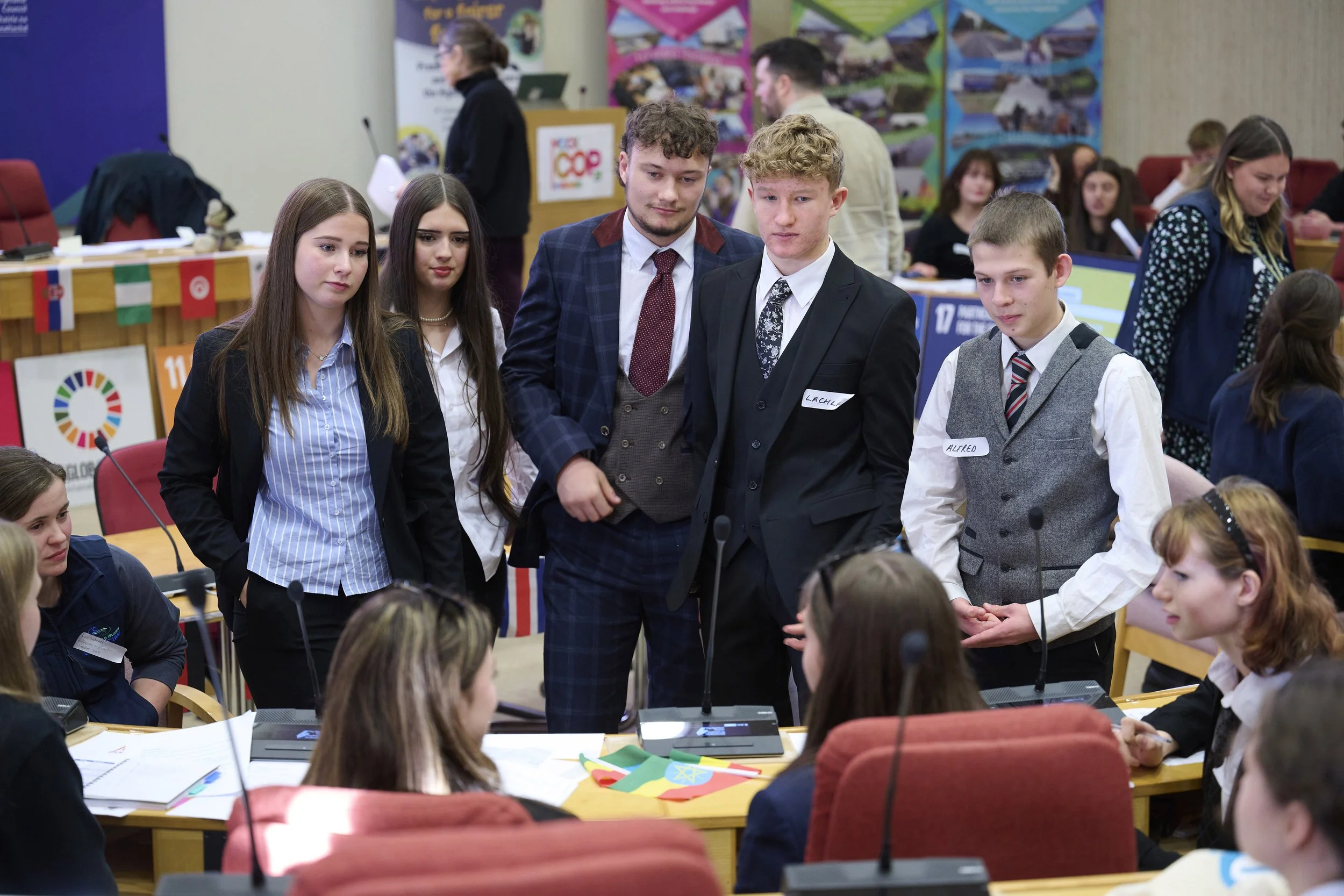
Fifth and sixth year pupils from secondary schools across the Highlands and Moray take part in annual mock “COP” or climate change conferences thanks to a partnership between the Open University (OU) in Scotland, Highland One World Global Learning Centre, Developing the Young Workforce Inverness & Central Highlands (DYWICH) and Highland Council. The participating school pupils deepen their understanding of environmental issues gain hands-on experience in debate and negotiation as each school forms a country or organisation delegation at the climate conference and takes part in three rounds of lively negotiations with the aim of reaching a better deal for people and the planet in line with the United Nations’s Framework Convention on Climate Change.
Originally launched as a virtual initiative to support COP26 in 2021, the Mock COP has since transformed into an in-person event and has grown from just four participating schools to 11 in 2024. Mock COP will take place again in Inverness in 2025 and excitingly is also being brought to Dumfries and Galloway this year for the first time.
Alongside Mock COPs, Highland One World have led on a project where primary schools from Moray and the Highlands participated in an “Artivism” campaign called Art for Action, an exhibition which was displayed throughout the two week COP period.
UNIVERSITY OF ABERDEEN
University monitoring impact of climate change in real time with innovative “digital twin” model
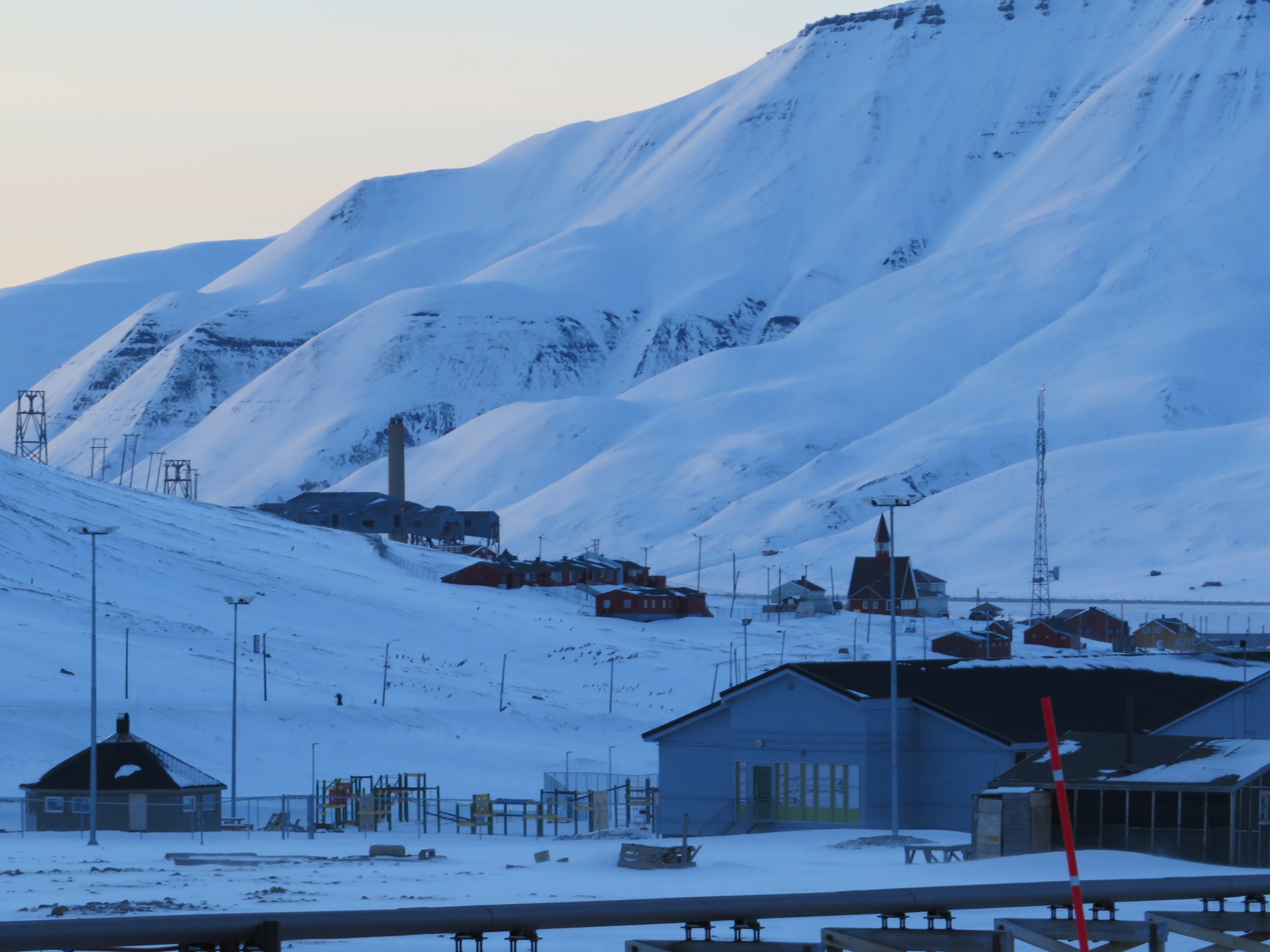
Through funding from the European Space Agency, the University of Aberdeen will create a digital twin of the Arctic islands, Svalbard, to help better understand the consequences of climate change. Alongside Swansea University, Svalbard Integrated Arctic Earth Observing System (SIOS), Norwegian Research Centre (NORCE), EarthWave, University of Edinburgh, and Uppsala University, researchers from Aberdeen will lead on the development of a real-time digital replica for the Norwegian archipelago Svalbard which is said to be warming six times faster than the global average.
Lying within the Arctic Circle, Svalbard is one of the areas where the visible consequences of climate change can be seen most clearly. The drastic decline in its ice areas over recent years has serious implications for wildlife, diminishing the natural hunting grounds of polar bears and increasing competition for resources affecting other Arctic species such as walruses, seals, and seabirds.
The creation of a digital twin - designed to behave as closely as possible to its real-world counterpart - will enable these changes to be monitored in real time and forms part of ESAs ambitious goal to create a digital twin of the Earth, called Destination Earth (https://destination-earth.eu/).
The project team will develop tools for decision-making processes and to understand the impact of extreme weather events on Svalbard's ice and snow. These will be developed in direct consultation with local stakeholders in Svalbard to ensure the new tool will provide tangible impacts to communities.

UNIVERSITY OF THE WEST OF SCOTLAND
Working together with commercial partners in the circular economy
UWS is collaborating with FIDO Tech – a company using artificial intelligence (AI) to save billions of litres of water globally. UWS worked with FIDO Tech to develop cloud correlation technology, using small sensors which attach magnetically to pipes and record acoustic samples. The sensor readings are received via a smartphone app which acoustically map the exact location of water leaks within seconds. The technology has helped to secure the water supply – and the lifting of severe water restrictions for the first time in 20 years – on the remote Mer Island off the coast of Queensland, Australia.
With ninety percent of underground pipe leaks never showing above ground and around thirty percent of the world’s treated drinking water being lost from pipeline networks before it ever reaches our taps, FIDO Tech are helping protect UK water resources, while improving water supplies around the world. UNESCO called reducing water leaks a “low or no regrets” response to climate change because it ties into adaptation and mitigation, with clean water and sanitation for all being Goal 6 of the United Nations’ Sustainable Development Goals. The project was showcased at the COP28 Fringe Event Hub at Heriot Watt University, Dubai Campus
UNIVERSITY OF THE HIGHLANDS AND ISLANDS
Partners sharing land-based skills and knowledge
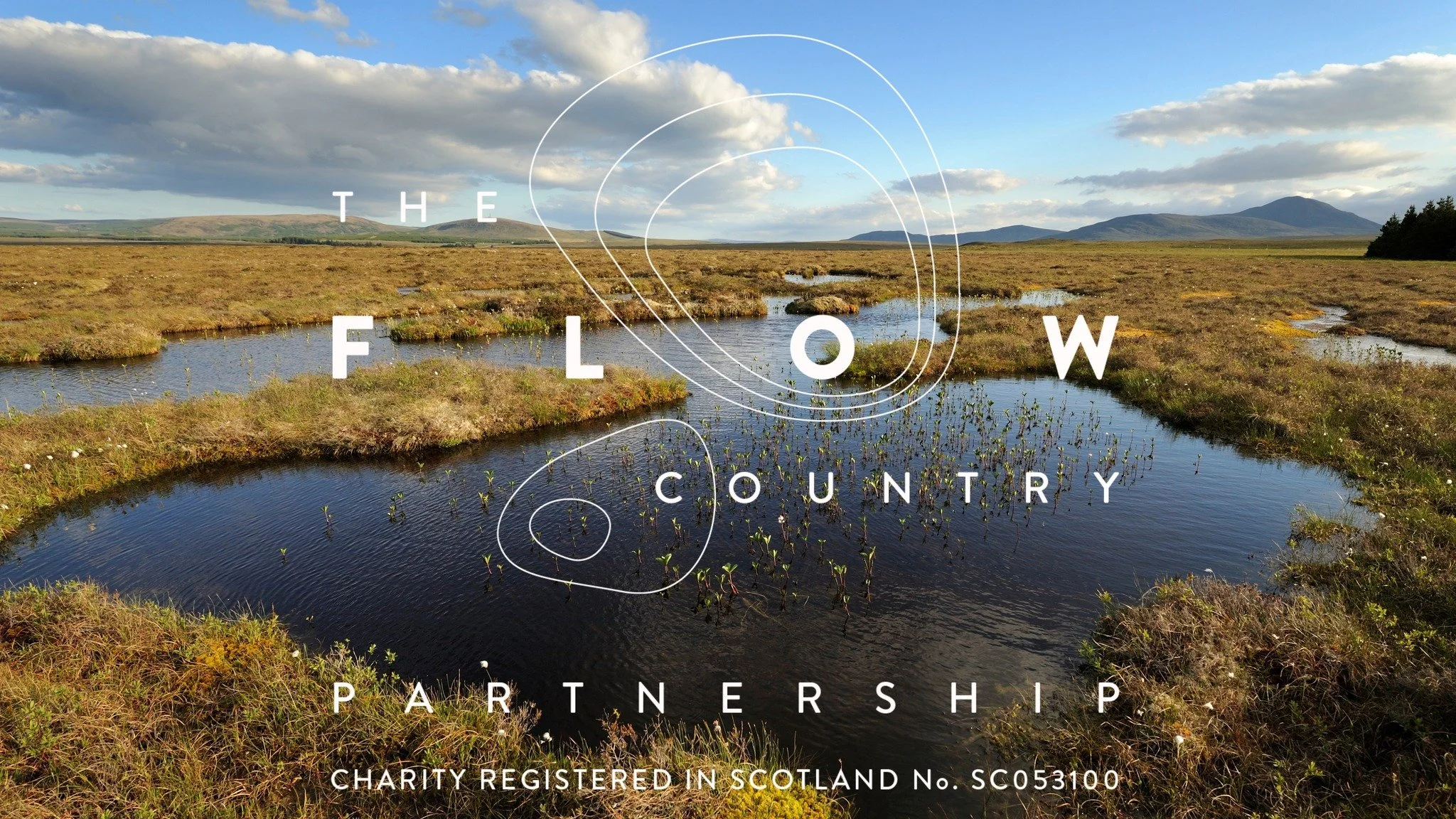
The UHI Environmental Research Institute is a key partner in the fifteen-year-old Flow Country Partnership alongside the Highland Council, NatureScot, RSPB, Highlands and Islands Enterprise, and community representatives.
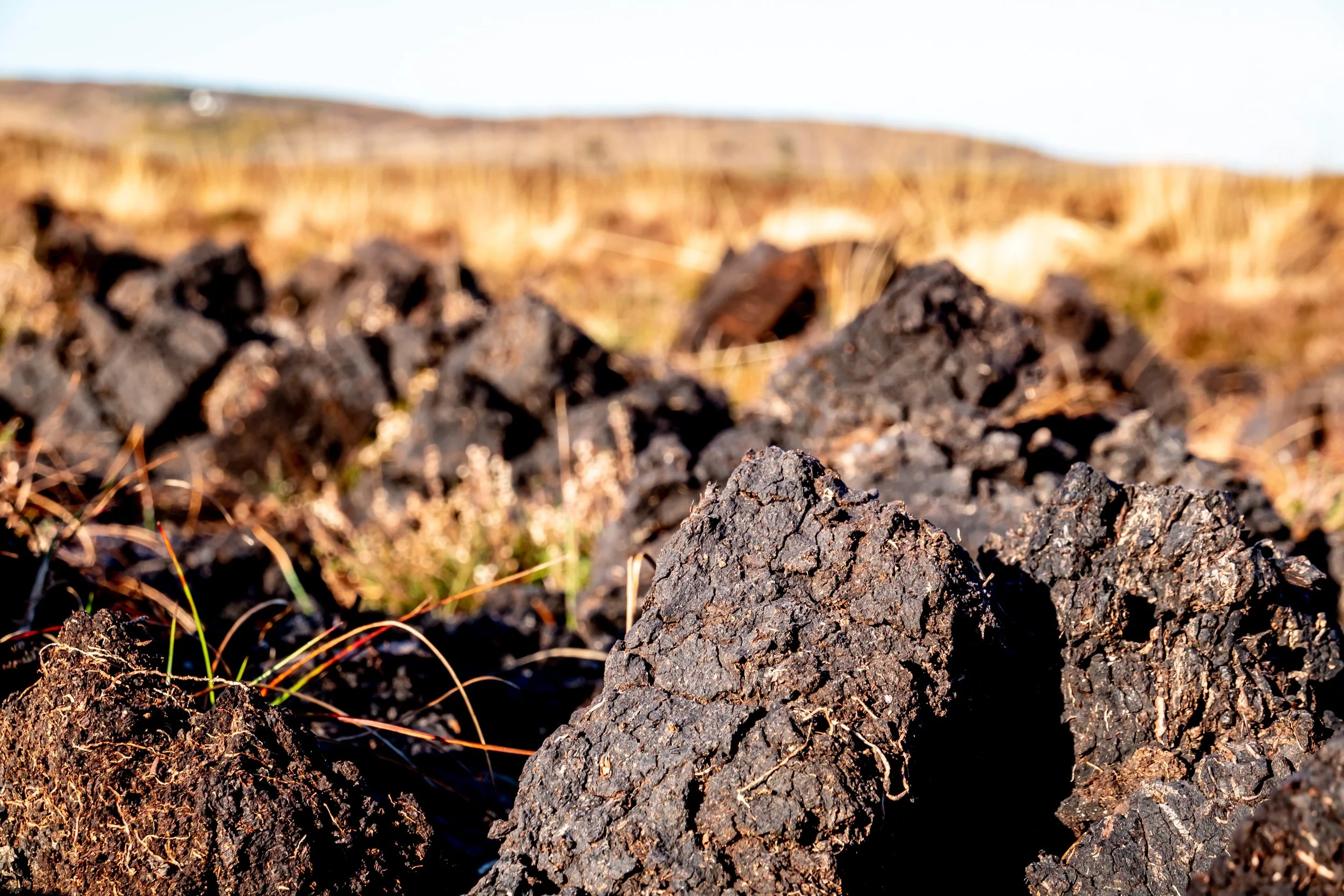
The partnership aims to strengthen the resilience of the landscape of the world’s most extensive blanket bog ecosystem, which is significant for its biodiversity and carbon storage.
The Flow Country Partnership is at the centre of global discussions on climate change, biodiversity loss and sustainable land use. In 2024, the Flow Country was the world’s first peatland to achieve UNESCO World Heritage Site status.
Together, the University of the Highlands and Islands (UHI) and their partners work to protect the site, restore the land by using and teaching land-based skills, and enrich people’s knowledge of the global importance of the Flow Country.
The Flow Country Partnership hopes to harness the power of communities, including crofters, farmers, landowners/managers, local businesses, residents, ecologists, local government, and UHI, to produce something of real value to local people.
EDINBURGH NAPIER UNIVERSITY
‘Mind the Gap for Biodiversity’ - a ground breaking collaboration for potential
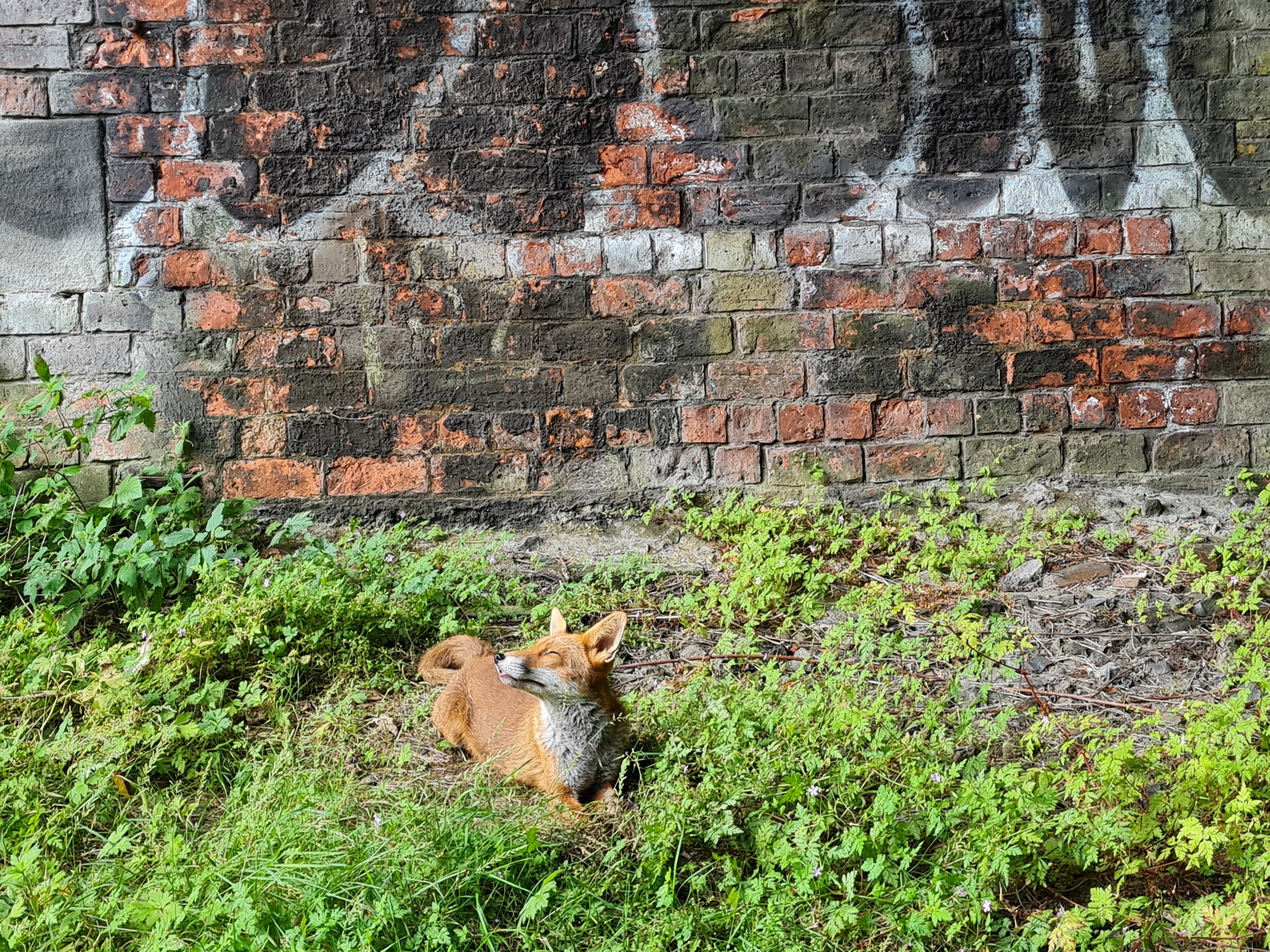
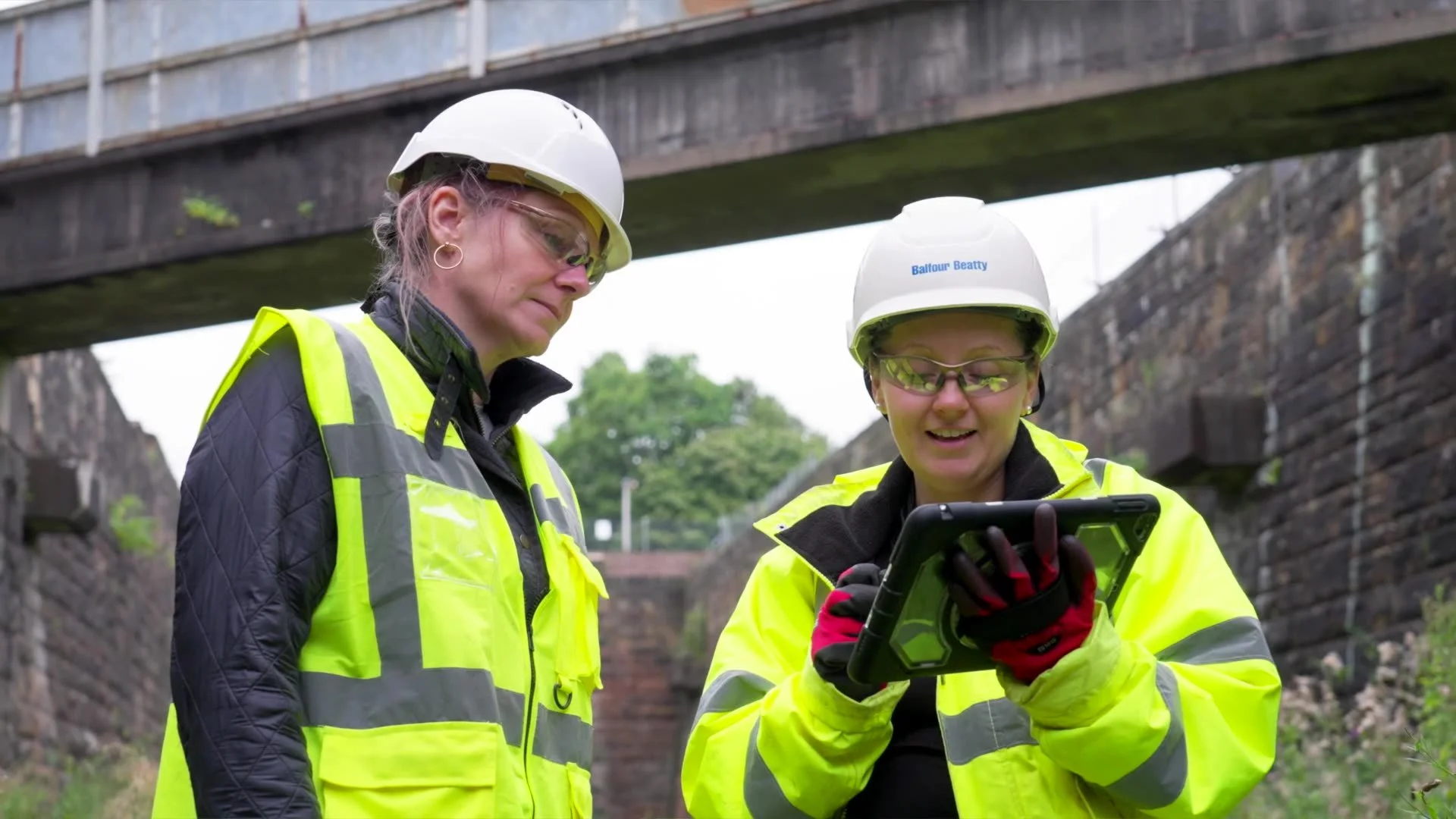
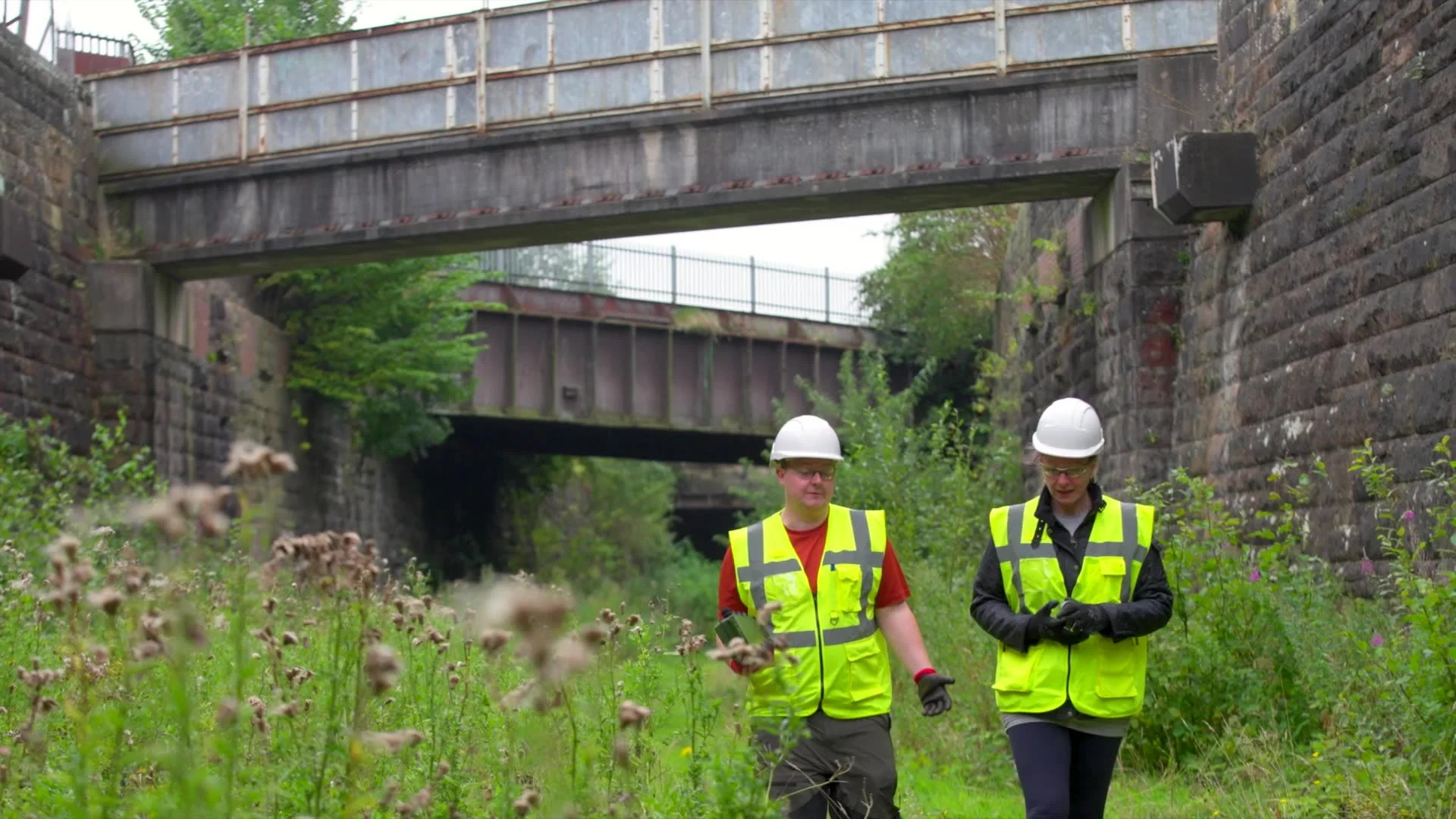
Led by a team of multi-disciplinary scientists from Edinburgh Napier’s Centre for Conservation and Restoration Science (CCRS), in partnership with Balfour Beatty and National Highways, Mind the Gap for Biodiversity explores how we understand and manage biodiversity in previously developed, now derelict, spaces across Scotland’s Historical Railways Estate (HRE) in Greenock, Glasgow, Williamwood, Glencorse and Bonnyrigg. Brownfield sites, often dismissed as ecologically unimportant, are now being recognised for their potential to support diverse communities of species in novel habitats and reconnect fragmented ecosystems.
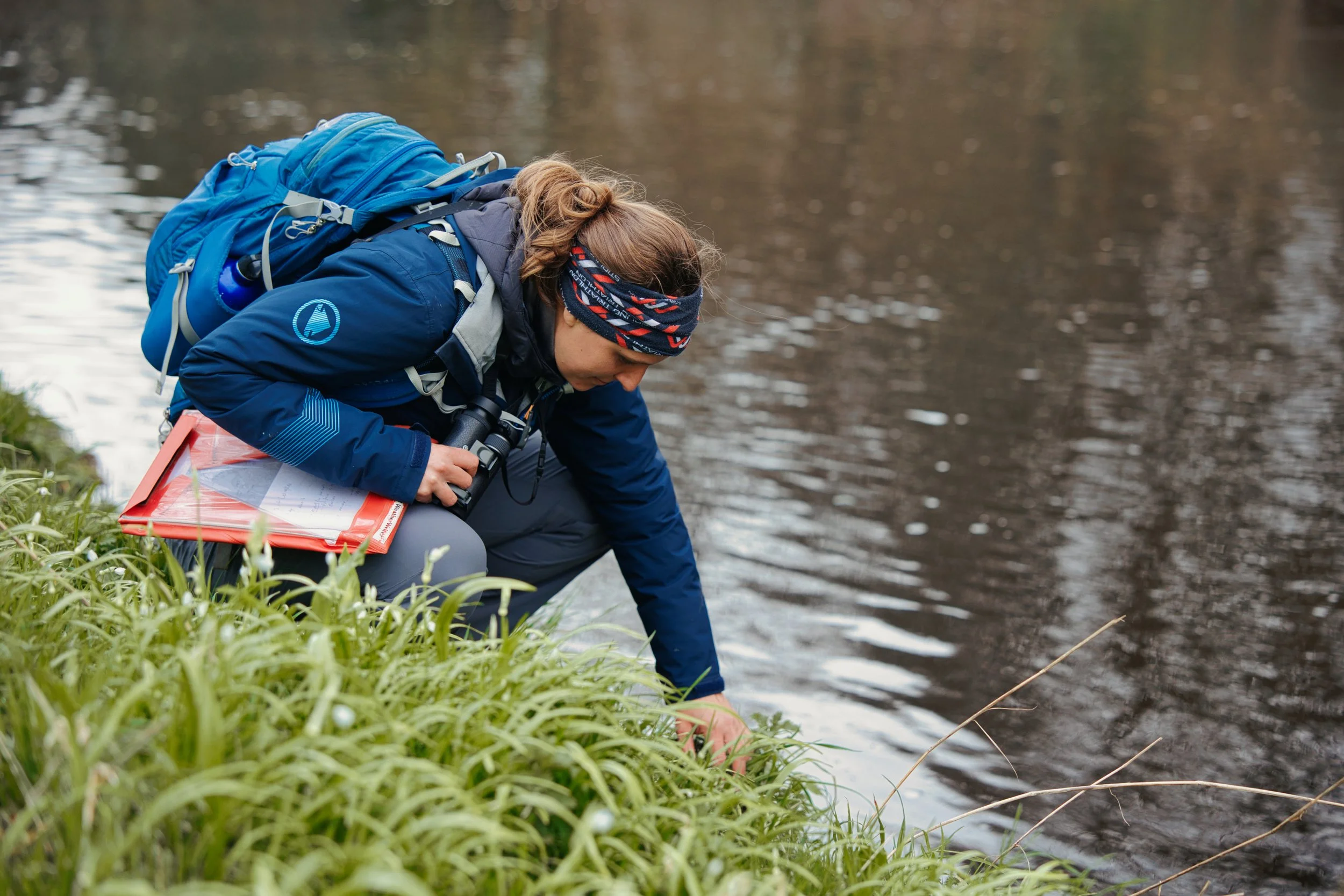
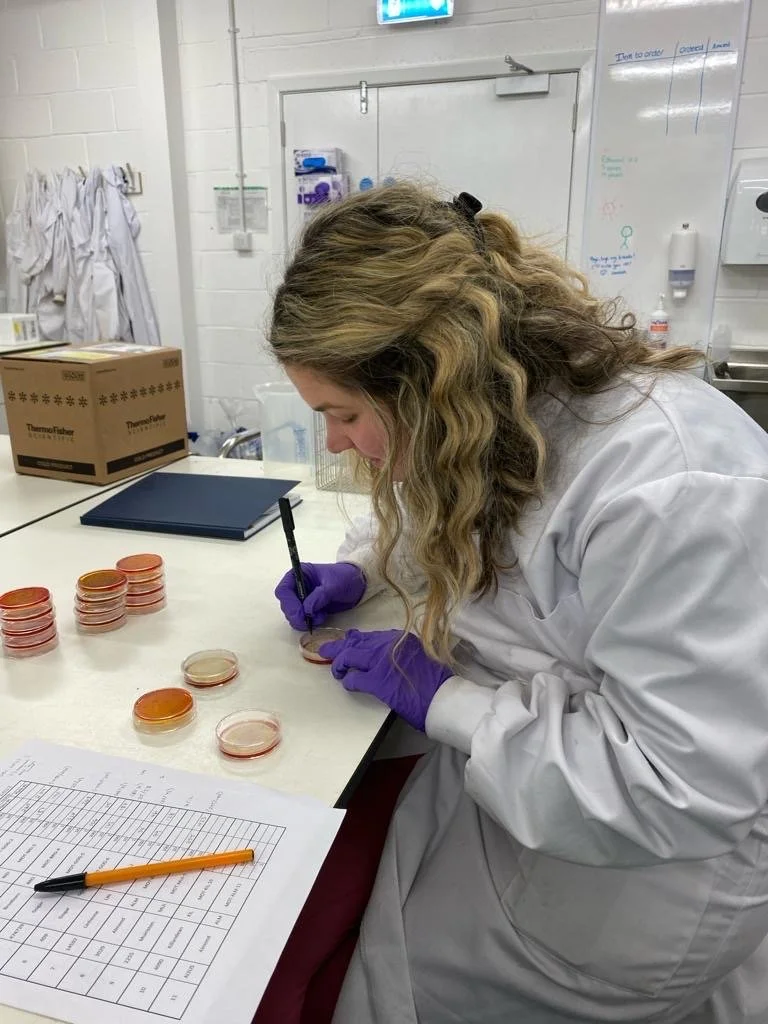
The CCRS team brings together academic expertise and technological innovation to the field. They adopted a holistic approach to measuring biodiversity, encompassing a wide range of organisms, spanning single-celled organisms (e.g. bacteria and fungi) to complex animals, from within the soil to the plants and the animals living on the surface. Their research aims to deepen our understanding of the role that site management can play in mimicking natural ecosystem processes, leading to a greater range of habitats available to support increased levels of biodiversity. This will ultimately inform future management strategies of the HRE and generate a comprehensive understanding of how these sites contribute to biodiversity at a landscape scale.
The biodiversity assessment research completed to date by CCRS, shows that across the HRE brownfield sites in the study, the measured biodiversity is comparable or higher than that observed from areas of ancient woodland. Where previously brownfield land was viewed as the poor relation of greenfield land, this research demonstrates the important role brownfield sites can play in helping support nature and help us achieve biodiversity targets.