
A partner for economic growth
Powering progress
As strong partners to industry, business and social enterprise, Scotland’s universities are economic multipliers. We apply our research, innovation and skills in support of established and emerging industry clusters, regional regeneration and economic transformation across the country.
Our economic partnerships range from industry leaders in global companies to individuals with entrepreneurial spirit.
Case Studies

UNIVERSITY OF THE HIGHLANDS AND ISLANDS
Collaborating in the development of STEM-related skills






UNIVERSITY OF THE WEST OF SCOTLAND
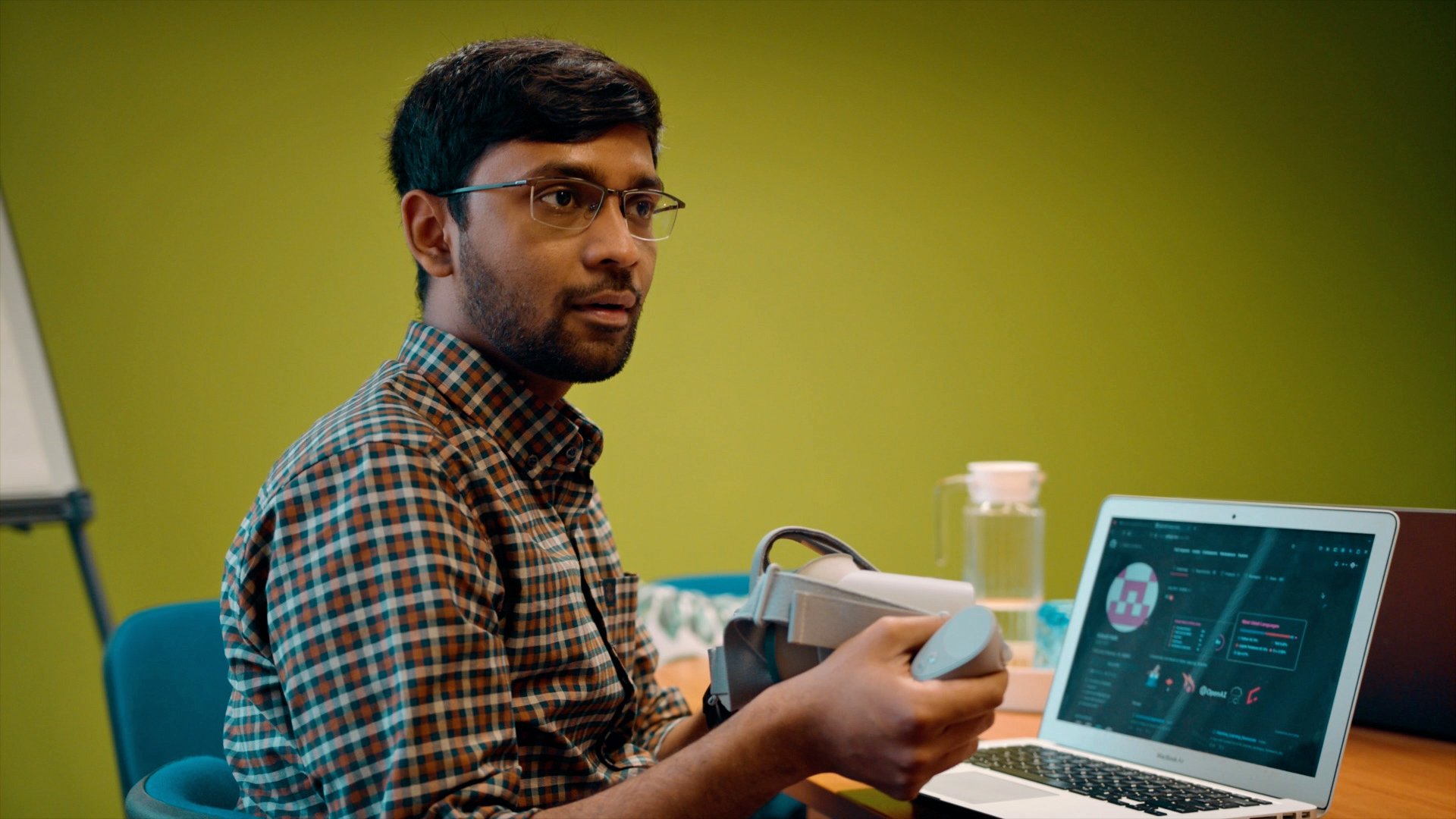
Immersed in innovative partnership for “super immersive” learning
HERIOT-WATT UNIVERSITY
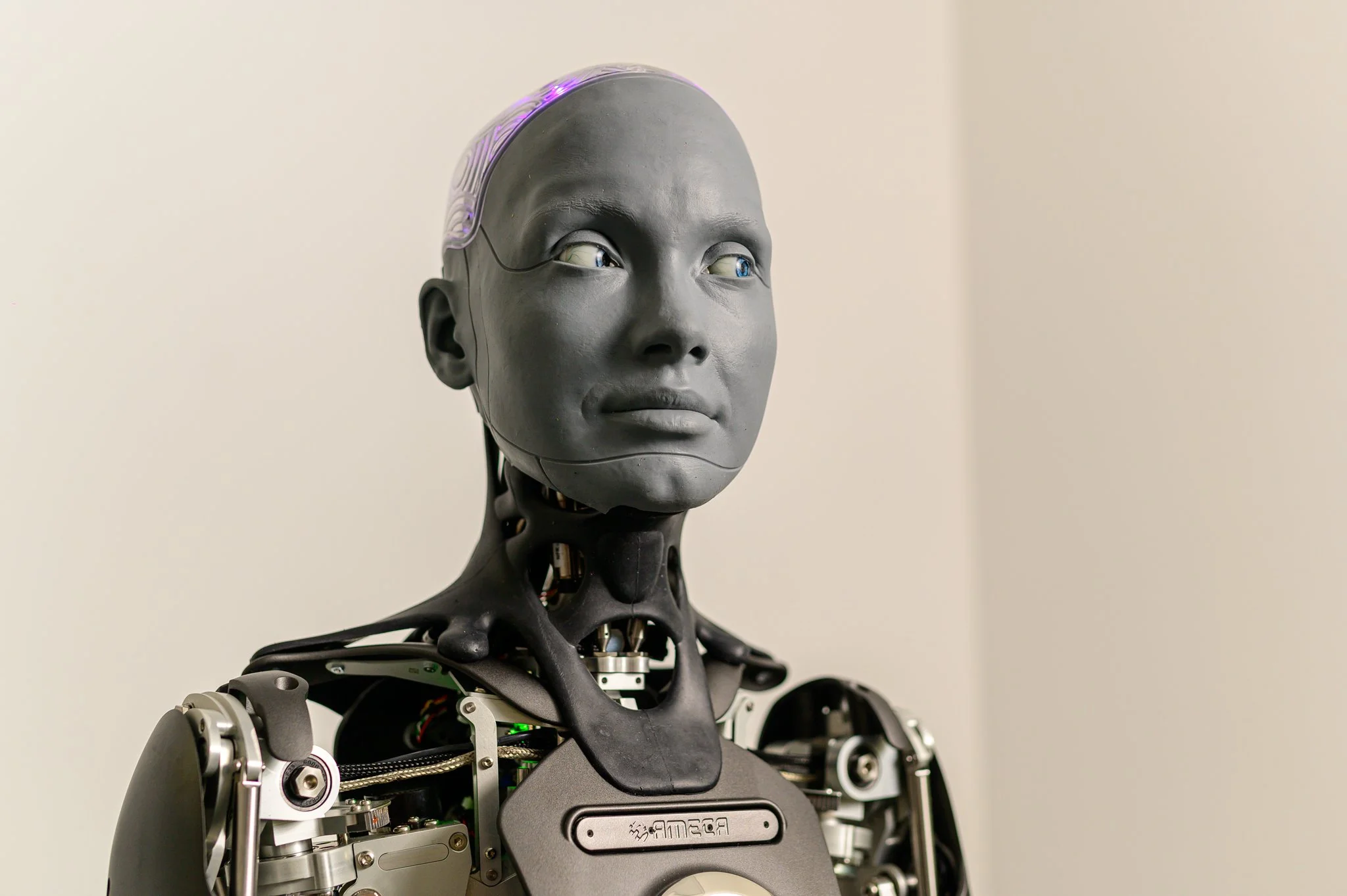
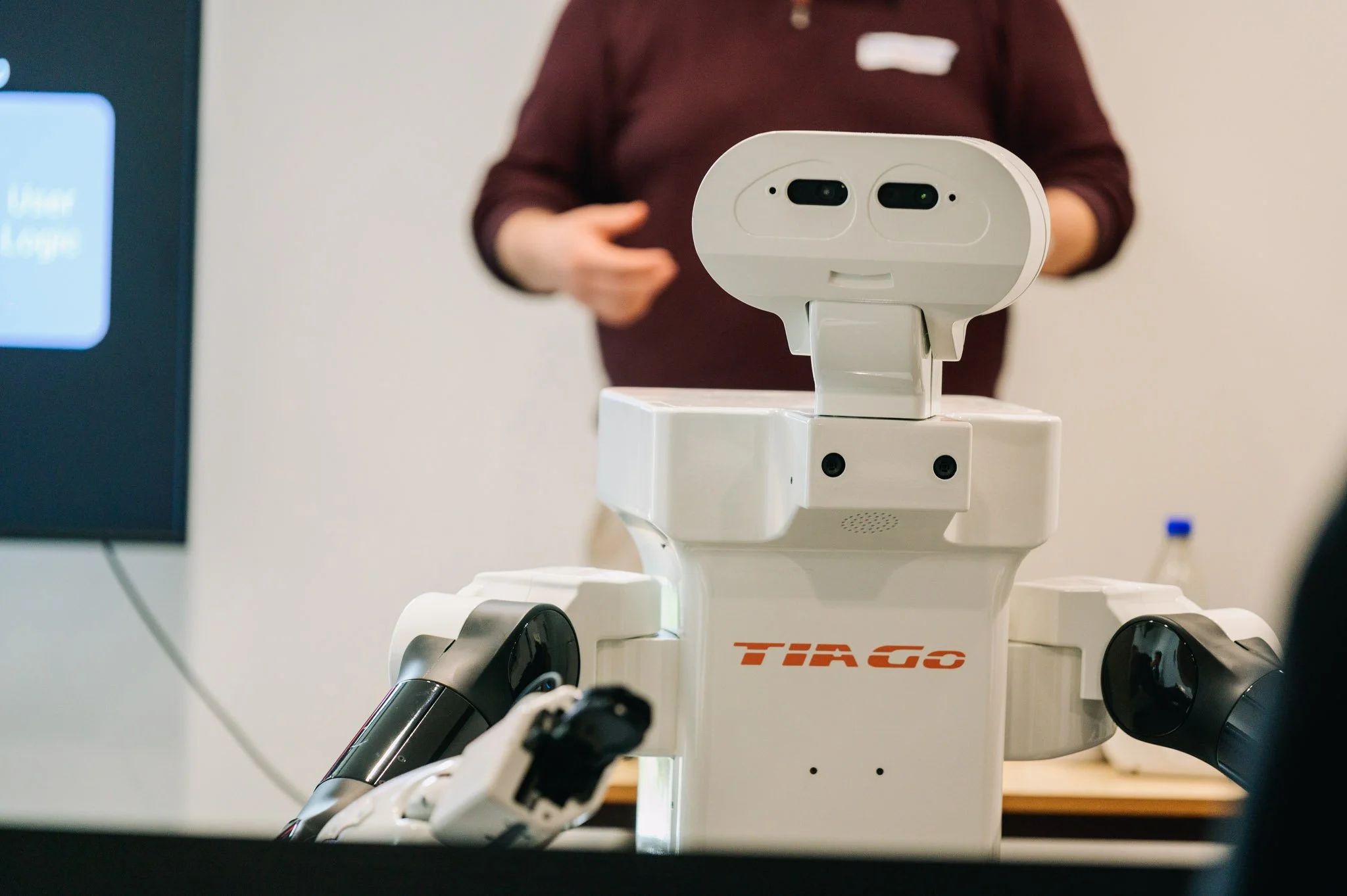
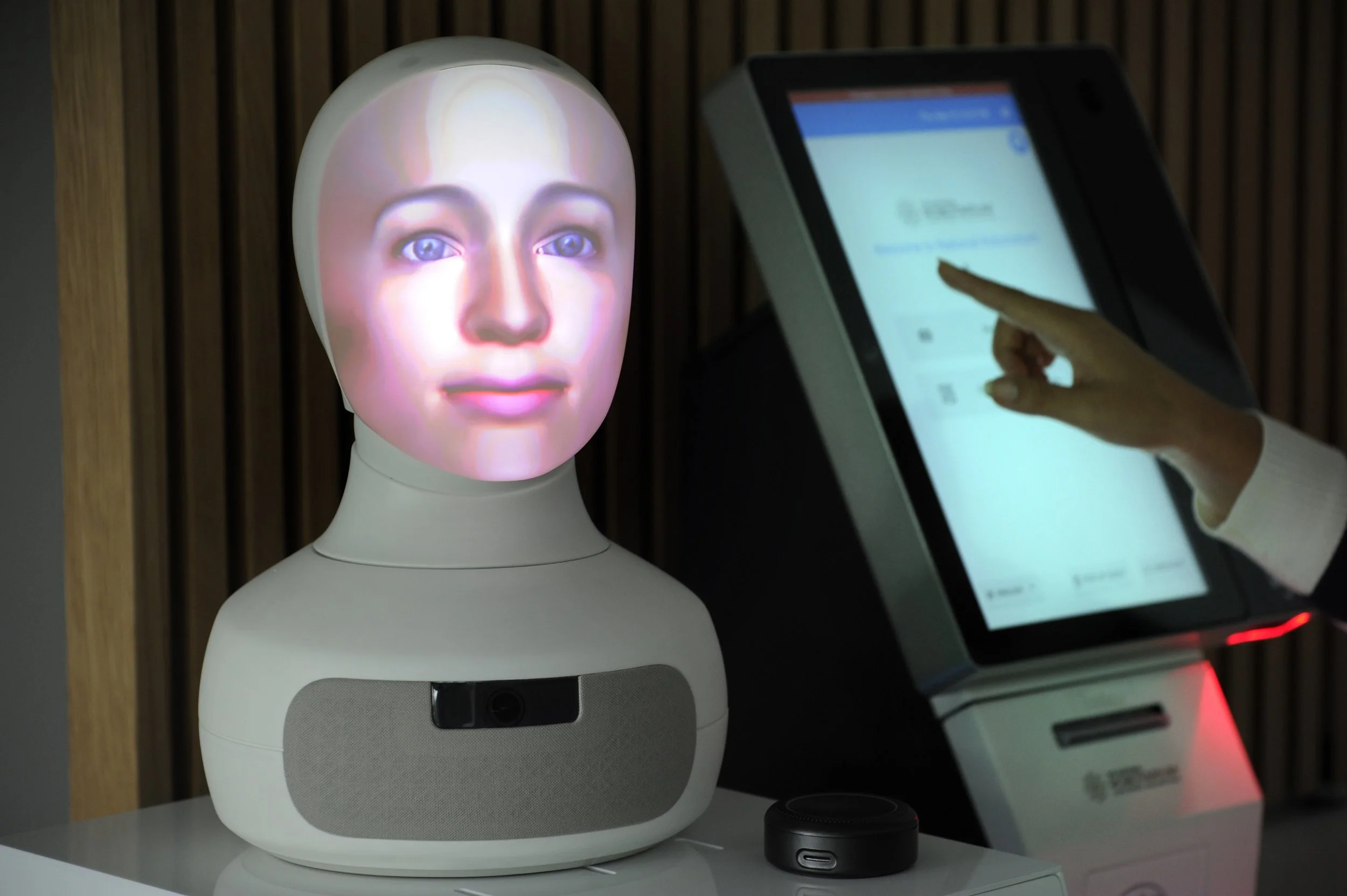
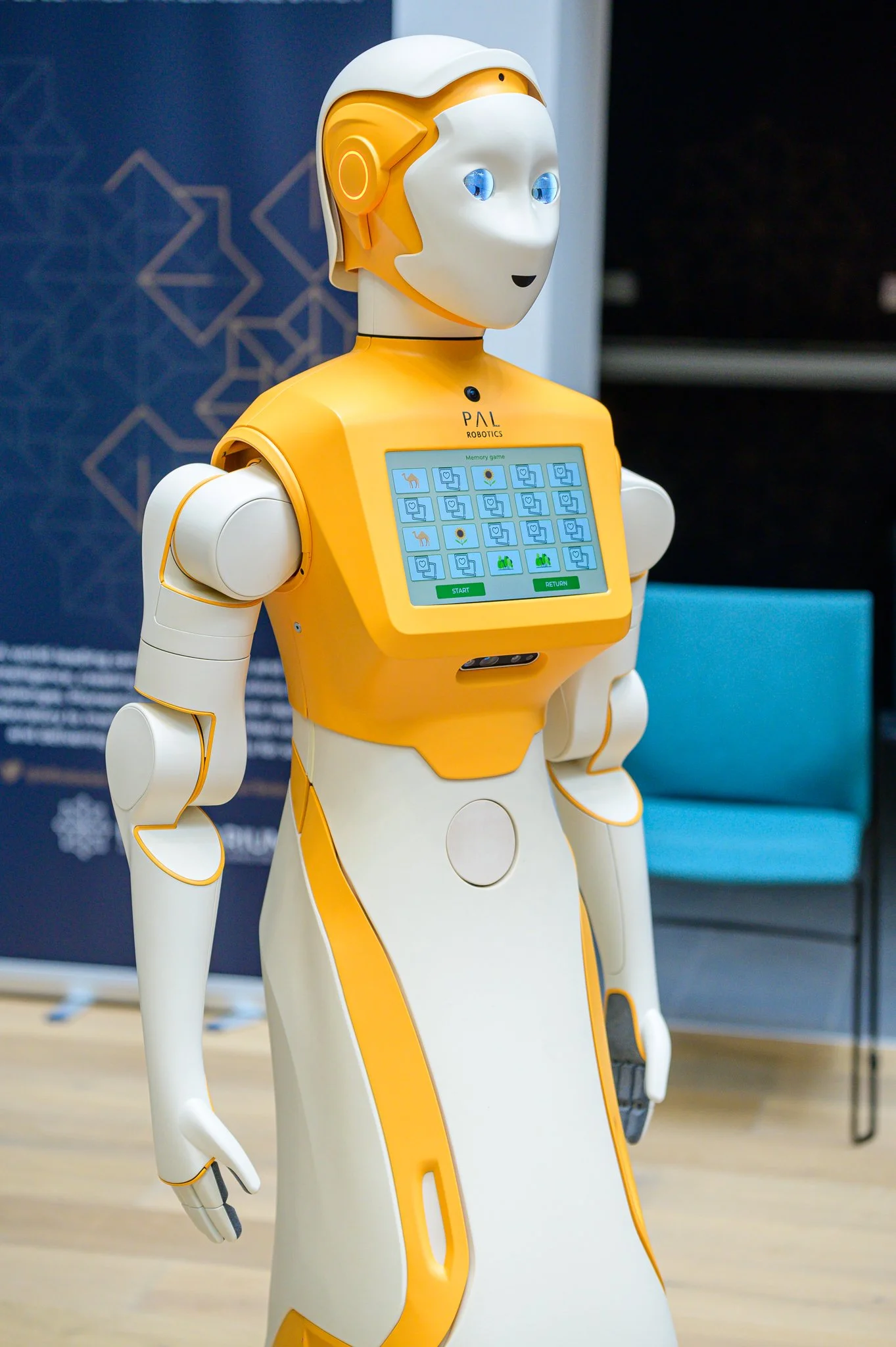
The National Robotarium: Driving Innovation Through Robotics and AI
The National Robotarium is a world-leading centre for robotics and artificial intelligence. One of a network of Data-Driven Innovation hubs, funded in partnership with The University of Edinburgh as part of the £1.5bn Edinburgh and South East Scotland City Region Deal, its very existence is the product of a long legacy of research and development between the institutions, including the Edinburgh Centre for Robotics as a doctoral training centre for the next generation of roboticists.
The National Robotarium creates innovative solutions to global challenges, working directly with industry leaders to create, test and develop robotic, AI and automated technologies to address challenges in a variety of sectors – including healthcare and healthy ageing, agriculture, manufacturing and construction, hospitality and logistics - benefitting people’s health, work and lives. As such, The National Robotarium is home to countless partnerships and collaborations including:
In healthcare: Working with the Scottish Government and NHS Scotland to develop an innovation model to transform NHS health and social care through robotics. The Robotics for Health Partnership aims to alleviate existing barriers to the adoption of emerging technologies within the NHS. The successful implementation of the model would see an increase in the use of robotic and smart technologies in healthcare settings, having not only the potential to reduce NHS waiting times, ease staff workloads, and improve patient care, but can also act as an economic driver for Scotland.
In renewables: A partnership with Fugro, the world’s leading Geo-data specialists, and start-up technology company Frontier Robotics is developing electric remotely operated vehicles (eROVs) to perform maintenance and repair tasks on offshore wind turbines. The EPSRC (Engineering and Physical Sciences Research Council_-funded Underwater Intervention for Offshore Renewable Energies (UNITE) project, aims to improve health and safety for workers in the offshore energy sector and has the potential to reduce fuel consumption of maintenance missions by up to 97%.
In agriculture: Working with The James Hutton Institute, The Scotland 5G Centre and globally-renowned robotics manufacturers Boston Dynamics to test the efficacy of private, portable 5G connectivity in remote or rural areas. A successful pilot has showcased how high-speed connectivity can enable farmers and those working in remote or rural areas to implement real-time data collection and precision techniques across large outdoor spaces, increasing efficiencies and improving sustainability.
The centre drives economic growth through its business acceleration and incubation support for start-up and spin-out technology companies. Industry partners include Robotekin, Skedda, TCS, Kingdom Robotics, Freshwave, Frontier Robotics and ServiceKey.


ABERTAY UNIVERSITY
Collaborative approaches to global cybersecurity challenges
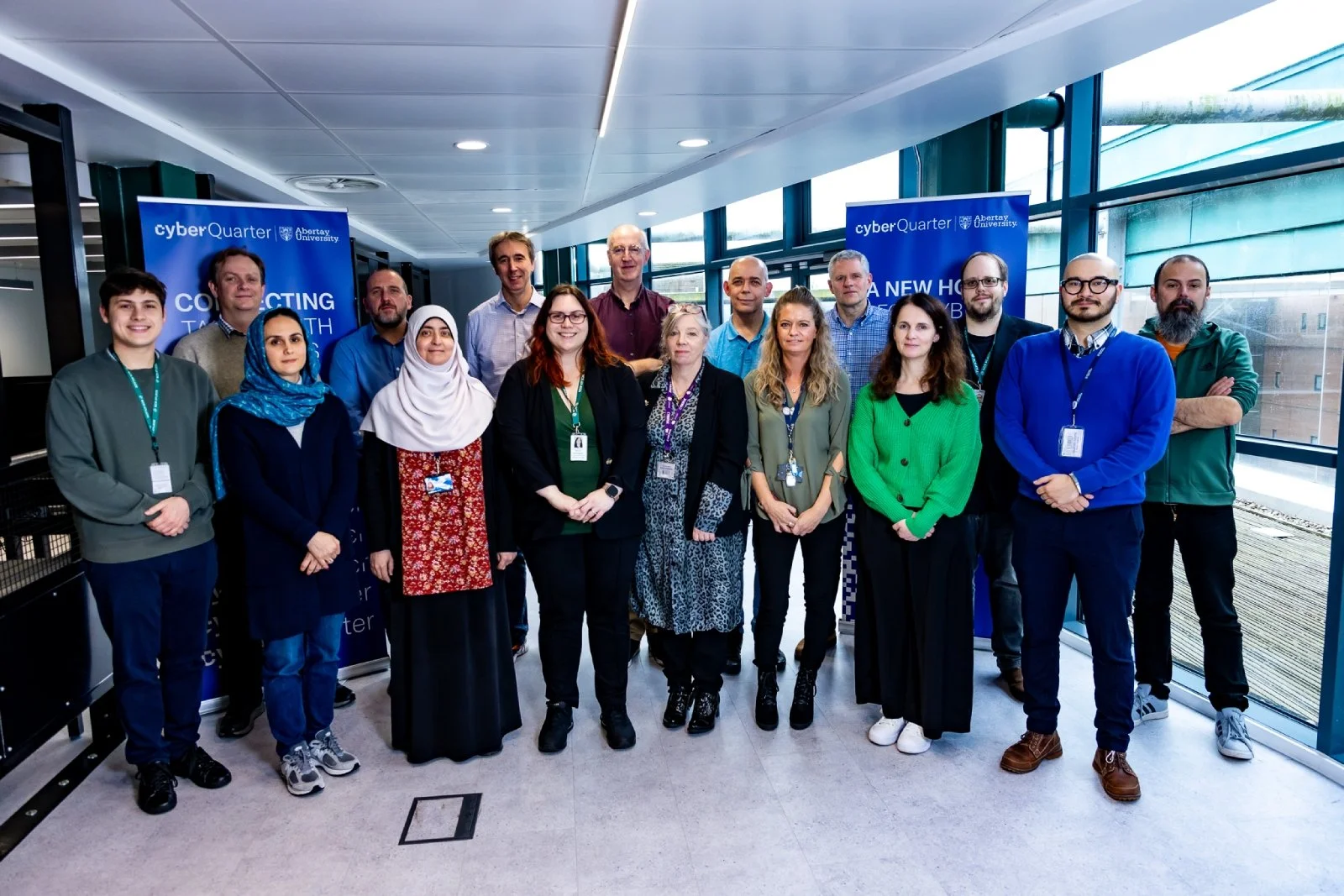
The Abertay cyberQuarter is an £18 million centre within Abertay University dedicated to advancing cybersecurity research, development, and innovation for the cybersecurity sector. As a collaborative hub, the cyberQuarter’s primary goals are to strengthen technical problem-solving, foster industry-academic partnerships, and create pathways into cybersecurity careers.
Current partners include Police Scotland, Systal Technology Solutions Ltd, Cyber and Fraud Centre Scotland, NHS National Services Scotland, Scottish Government, Cyber Scotland, Techscaler, Scottish Social Services Council, Lugo IT, The Care Inspectorate, Smart Net Zero, ScotlandIS, and NCR Atleos. Abertay’s expertise in digital forensics proved invaluable to Police Scotland as part of a murder investigation, where the University’s new techniques for identifying and extracting logged information within Apple's iOS Health Application formed part of the evidence in a novel first within Scotland.
Recognised as a UK National Cyber Security Centre Gold Level Academic Centre of Excellence in Cyber Security Education, Abertay University exemplifies high-quality, industry-relevant cybersecurity education. The Centre also houses specialised laboratories for cutting-edge research and practical training including the Malware Analysis Laboratory, which is Scotland’s first dedicated national facility for the secure analysis of malicious software. Abertay is home to the Human Aspects Laboratory whichinvestigates the human role in the digital world of cybersecurity, as user behaviour is a key component to the success of phishing emails, online scams and the ever-increasing challenge of telling real images apart from deepfakes.
The centre is committed to inclusive growth, offering targeted training for underrepresented groups, military leaders, wider civic engagement and digital skills development programmes in schools. A recent partnership between the cyberQuarter, Civic Digits and the Scottish Government, to bring The Big Data Show to Dundee, engaged with every P7 pupil in the city and resulted in 600 children earning an SCQF Level 3 in Cyber Resilience & Digital Citizenship.
UNIVERSITY OF THE HIGHLANDS AND ISLANDS
Collaborating in the development of STEM-related skills
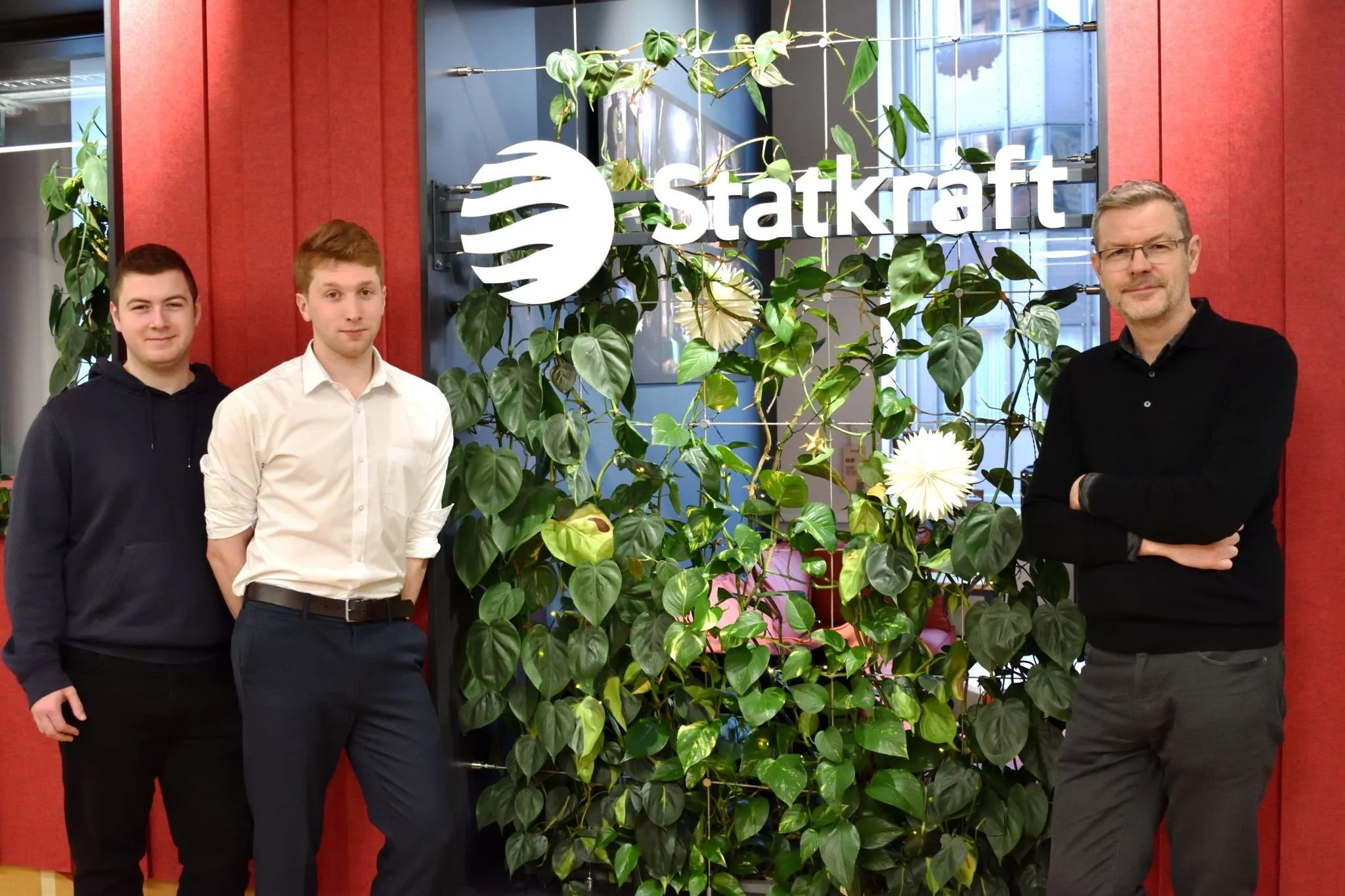
The University of the Highlands and Islands (UHI) and Statkraft, Europe’s largest renewable power generator, have been collaborating on several activities to support economic growth in the Highlands and Islands.
In 2023, Statkraft announced a scholarship fund, pledging £72,000 over six years to support students studying science, technology, engineering, or mathematics (STEM) subjects at UHI. The fund provides two new scholarships each year, worth £3,000 per annum for the duration of a student’s course. The funding offers both immediate and long-term support for UHI students, helping them realise their potential and develop STEM-related skills needed for future clean energy projects and economic growth.
Statkraft and UHI have worked together to map the workforce skills required for the construction of Statkraft’s pumped storage hydro project at Loch Ness. The study, which focused on skills supply and demand in the Highland Council area, found this project could provide significant employment opportunities, requiring up to 500 workers at peak construction. Published in 2025, the findings will assist in informing education and skills planning in the Highlands, helping to ensure that Statkraft's Loch na Cathrach pumped storage hydro (PSH) scheme can maximise local employment prospects.
UHI works in partnership with Statkraft, offering opportunities for students and academic partners to collaborate on site preparation work ahead of construction, as well as on other Statkraft developments, all of which contribute to economic growth and skills development across the Highlands and Islands.

GLASGOW SCHOOL OF ART
Addressing unique rural challenges
The Glasgow School of Art Rural Lab is positioned as a key player in Scotland’s rural economic strategy, aligning with national initiatives such as Highlands and Islands Enterprise’s (HIE) 2023-2028 Strategy and looks to help address the unique challenges faced by rural areas in Scotland from workforce shortages and digital connectivity gaps to an ageing population and limited service access.
Through cross-disciplinary collaboration, GSA Rural Lab champions new approaches to rural enterprise, sustainable economies, and place-driven research, innovation and partnership. It encourages new ways of thinking about the potential for sustainable growth in rural spaces, embraces and emphasises the importance of rural traditions, craft and making in future-focused sectors and emerging specialisms such as space, bioscience and AI.
In 2025 Rural Lab secured major funding through an AHRC Doctoral Focus Award. ‘A Golden Thread: Crafting the Creative Economy from Scotland’s Highlands, Lowlands & Islands’, aims to strengthen Scotland’s craft sector and generate wider economic and social impacts through supporting interdisciplinary study at the intersection of craft and future-focused industries such as space, biomaterials, and regenerative design. The funding will enable the GSA, in collaboration with the Open University and Scotland’s Rural College (SRUC), to create a distributed training college of twenty doctoral researchers, recruited from across Scotland’s rural and island communities.
Further significant funding through the AHRC Doctoral Focal Award was also secured in partnership with Bangor University. The Celtic Crescent Creative Economy is a consortium including Aberystwyth University, Falmouth University, the University of Aberdeen, the Royal Welsh College of Music and Drama, the University of South Wales and 27 industry and sectoral partners, including MG Alba, The Harris Tweed Authority, Bòrd na Gàidhlig, and Historic Environment Scotland.

ROBERT GORDON UNIVERSITY
Industry partnerships for skills development
Graduate Apprenticeships (GAs) are a partnership between universities and business and industry which allow employees to continue to work while they earn their degree over the course of up to four years. Robert Gordon University offers graduate apprenticeships in: business management, cyber security, engineering, accounting, and construction and the built environment. This model of delivering higher education builds on RGU’s decades of experience working with employers to design programmes. As such, this work-based learning approach fits with RGU’s strengths and ethos. The University supports the apprentice with structured learning and reflective practice, while company mentors help them to apply the theory to workplace reality. The University’s partnership approach with industry is further strengthened by the accreditation the apprenticeship programmes have received from relevant professional bodies. The National Cyber Security Centre, Chartered Institute of Building and Institute of Measurement and Control have all accredited various relevant GAs as delivered by the University. Graduate apprenticeships are also delivered with support from the Scottish Funding Council and Skills Development Scotland.

UNIVERSITY OF DUNDEE
A partner to industry and the NHS
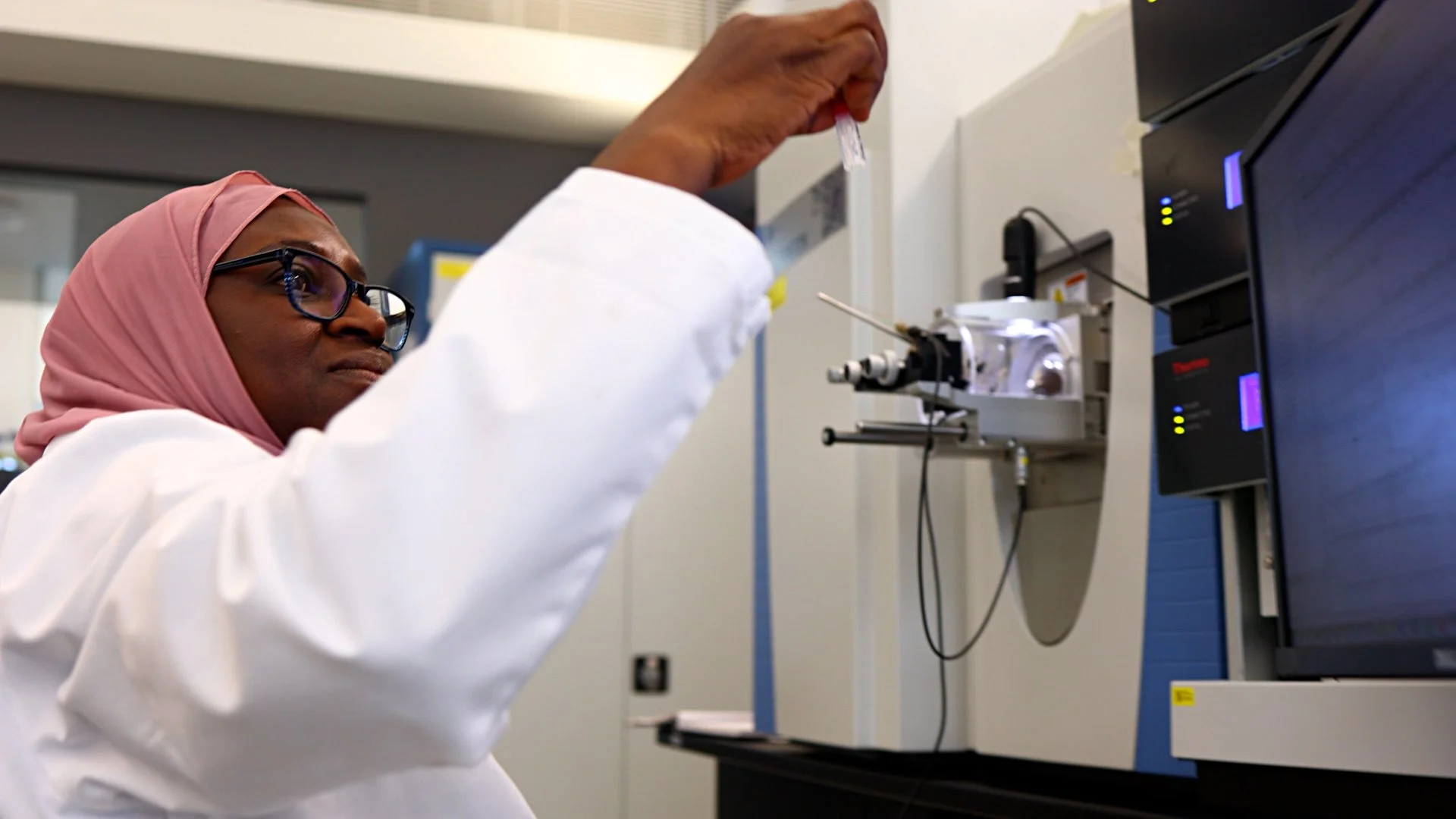
The University of Dundee is at the centre of a Health & Life sciences cluster, which attracts pharmaceutical and healthcare companies into Tayside, generating an estimated £20 million GVA in the economy of Dundee City. The University’s internationally recognised teaching, research and clinical excellence in life sciences and healthcare makes it a highly-valued research and innovation partner to industry and the NHS through its Schools of Life Sciences, Medicine and Dentistry.
Three important examples highlight the university’s collaborative strengths: the Division of Signal Transduction Therapy (DSTT) is one of the world's largest and longest running collaborations between the pharmaceutical industry and an academic research institute and has been operational for over 20 years; the University's Drug Discovery Unit collaborates with industry partners to translate world-class biological research into novel drug targets and candidate drugs for diseases of unmet medical need (i.e. diseases for which treatments either do not exist or are ineffective); and the Centre for Targeted Protein Degradation (CeTPD), which opened in 2022, supports collaboration with leading pharmaceutical companies to tackle cancer and other conditions by targeting disease-causing proteins for degradation.
In recent years the University has been a key partner in the Tay Cities Regional Growth deal, which has invested £25M in facilities to stimulate increased innovation in Health & Life Sciences. This includes the Life Sciences Innovation Hub opened in March 2025, with an additional £8M investment from Scottish Enterprise, which will build on the University’s UK-leading position for high growth health & life Sciences start-up and spin-out companies. With Dundee City Council, Scottish Enterprise and others the University is a founding partner in a Life Sciences Innovation District which will transform the city’s economy.
ROYAL CONSERVATOIRE OF SCOTLAND
Nurturing the next generation of operatic talent
The Royal Conservatoire of Scotland is introducing a new one-year Advanced Artist Diploma in Opera, to include collaboration with Scottish Opera, in response to the emerging needs of the performing arts sector. This bespoke programme, recruiting in 2025, will begin in September 2026 and offer students the chance to work with some of the world’s finest coaches in vocal technique and stagecraft, across a high-level programme of intensive learning. The prestigious nature of this programme is such that auditions will be held in the UK and internationally, including the US, China and London as well as at the Conservatoire’s main campus in Glasgow. Students on the Advanced Artist Diploma will participate in opera productions at RCS and with Scottish Opera.
This partnership between the Royal Conservatoire of Scotland and Scottish Opera, a national and leading international opera company will provide a student experience that is unparalleled in the United Kingdom and seeks to address the professional needs of emerging singers. The Diploma also deepens what is already a long-standing relationship between two of Scotland’s national arts organisations, which seeks to nurture home-grown singers as well as to develop future UK and international artists focused on entering the professional opera world.
UNIVERSITY OF GLASGOW
Where innovation meets opportunity
Glasgow Riverside Innovation District (GRID) is a place where innovation meets opportunity. Situated across 700 acres along the River Clyde, where Glasgow earned its reputation for shipbuilding and dominance in industry, the District seeks to unlock innovation as a driver of inclusive economic growth and across its industries of strength today – from the critical technologies and creative industries to health and the life sciences. Anchored by the University of Glasgow, GRID connects places, people, ideas and technology to co-create opportunities for all, whilst positioning Glasgow as a leader in technology and innovation.
Together, with founding partners Scottish Enterprise and Glasgow City Council, these leading organisations are harnessing their collective expertise, convening power and influence to create an enabling place for innovation. GRID accounts for 15% of all of the City’s employment and is home to a host of anchor assets including the University’s Gilmorehill campus; the Queen Elizabethe University hospital; BBC Scotland; BAE Systems; Glasgow Science Centre, and the Scottish Exhibition Campus. In the corridors between these assets which have a notable supply of developable land, GRID partners are leading the development of a series of purpose-built, state of the art, Innovation Hubs and Zones – combining academia, industry and community to support innovation and scale its successes, including the new Health Innovation Hub in Govan.
The innovative environment fostered by the GRID has facilitated major industry spinouts such as Chemify and Neuranics to remain and grow in Glasgow, ensuring jobs and economic benefits for people and place. GRID is developing innovation skills to meet the needs of emerging industry clusters, with strategic partnerships now established between the University of Glasgow and further education partners Glasgow Clyde College and City of Glasgow College to facilitate inter-institution collaboration to boost productivity, growth, and inclusion across the region through skills development.

ROBERT GORDON UNIVERSITY
Supporting women as entrepreneurs
Since 2021, Women in Business has supported more than 100 women and mothers in the Aberdeenshire area who are considering starting their own business venture or entering self-employment. The initiative is a partnership between Robert Gordon University and Aberdeenshire Council and is funded by the Scottish Government’s Parental Employability Support Fund. Through free, online, interactive workshops delivered by the University over a seven-week period, the programme takes participants through the necessary steps to create a feasible and viable business, focused on the needs of women as mothers.
Women in Business is a strong fit with the University’s entrepreneurial strengths and the initiative seeks to address a persistent gender-gap in entrepreneurial participation in Scotland. The programme won the award for Outstanding Business Engagement at the Herald Higher Education Awards in 2023. Recognising the success and achievements of the programme, in 2024 the University was awarded funding to scale-up the programme through partnering with the University of Stirling and the University of the West of Scotland to deliver the programme in other local authority areas.
From 2025, the programme will be delivered in the Orkney Islands, Shetland Islands, and Outer Hebrides as part of the pan-island TalEntEd Programme, supported by funding from the Islands Growth Deal.

UNIVERSITY OF DUNDEE
Creativity as the cornerstone of regional transformation in Dundee
V&A Dundee opened to the public in 2018 as Scotland’s design museum and the only V&A museum anywhere in the world outside London. It is a cornerstone of the £1 billion transformation of Dundee’s waterfront and the regeneration of the city, building on and reconnecting to the city’s creative past.
The founding partnership behind the museum, as one of Scotland’s most important cultural projects, included Dundee City Council, the University of Dundee, Abertay University and Scottish Enterprise. Its origins lie in the University of Dundee’s longstanding connection to the V&A in London through the University’s Duncan of Jordanstone College of Art and Design, and the city’s recognition in 2014 as the UK’s first and only UNESCO City of Design.
V&A Dundee provides a place of inspiration, discovery and learning through its mission to enrich lives through design. It tells a global story, investigating the international importance of design alongside presenting Scotland’s outstanding design achievements. It is also intended to be hugely accessible to the local community, with the building’s architect, Kengo Kuma, describing it as “a living room for the city”. V&A Dundee also exists to give a platform to new and emerging Scottish designers.
The museum welcomed its 2 millionth visitor last year and in its first five years had an economic impact of £304 million for Scotland, including £109 million for Dundee. In 2024, 1.4 million tourists came to Dundee, a 61% increase since before V&A Dundee opened.
The £80 million project was funded by the Scottish Government, The National Lottery through the Heritage Lottery Fund and Creative Scotland, Dundee City Council, the UK Government, Scottish Enterprise, University of Dundee, Abertay University and a successful private fundraising campaign.
UNIVERSITY OF STRATHCLYDE
Fusion Fest is a catalyst for Glasgow’s tech sector
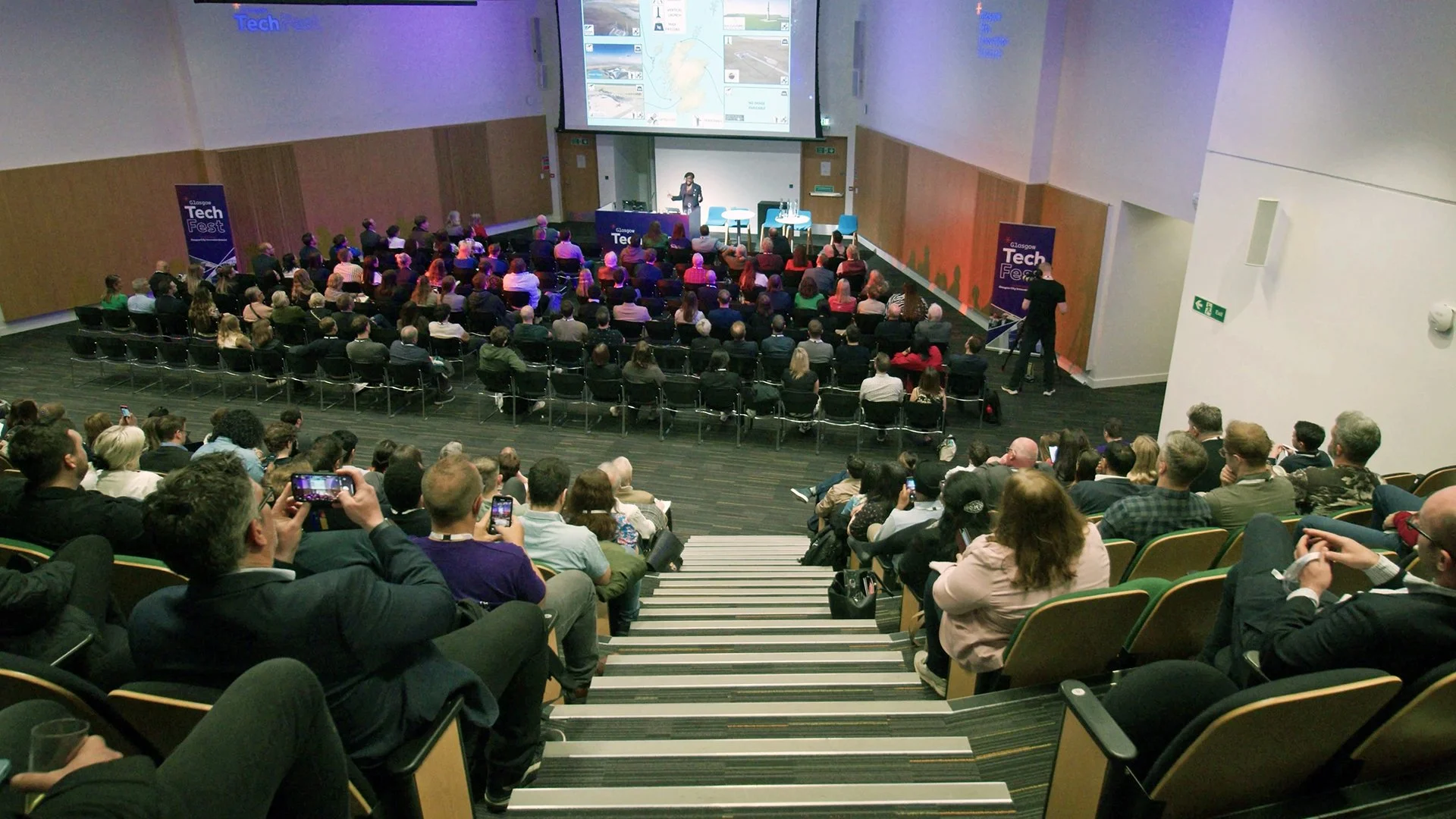
Fusion Fest, has gone from strength to strength since its launch in 2022 as Glasgow Tech Fest becoming a must-attend event for the tech, digital and creative community in Glasgow. Fusion Fest provides opportunities for businesses and entrepreneurs to connect with their peers, learn from ecosystem experts and network to make valuable connections.
Fusion Fest is delivered by Glasgow City Innovation District, a hub for entrepreneurship, innovation, and collaboration. It builds on Scotland’s rich tradition of scientific excellence and industrial collaboration and aims to catalyse and support the continued growth of Glasgow’s vibrant tech ecosystem, worth around £3.4 billion. Glasgow has a lot to offer, and the partnership-based approach within the Innovation District can make the sector greater than the sum of its parts. The Innovation District is a partnership between Glasgow City Council, the University of Strathclyde, Scottish Enterprise and Glasgow Chambers of Commerce, to champion business, promote collaborations and link research, academia and industry.
Glasgow-based universities have featured twice in the UK’s top 20 for most spinouts. JP Morgan have just opened up a new office in the city, and a recent sector survey from ScotlandIS found that almost 80 per cent of the Scottish tech sector is optimistic about the year ahead.
Fusion Fest aims to broaden the reach of the event by including Glasgow’s tech, digital, creative and innovative communities. The accessible event provides talks, panel discussions, and networking opportunities for all members of Glasgow’s business and innovation community. It will continue to support opportunities for networking, learning, and professional development, offering actionable insights and thought-provoking sessions.
UNIVERSITY OF GLASGOW
Immersed in innovative partnership for “super immersive” learning
ECom Learning Solutions is a global learning technology software provider and leading VR company based in Scotland and the States, which focuses on increasing learning engagement and productivity. One of its products is the eNetReality, which creates an immersive VR environment which can simulate real-life workplace situations so that they can be delivered in a safe and controlled manner across the whole organisation. Building on their existing relationship, eCom and the University of Glasgow partnered in a Knowledge Transfer Partnership in which the University’s expertise in robotos, network technology, sensor and feedback systems, and control interfaces was applied to create “super-immersive” remote working via virtual reality to address the company’s need to assess a person’s workplace capability. The University focused on making improvements to remote teleoperation in robotics, specifically looking to improve the real-time feedback loop between the operator and the robot and developing realistic haptic feedback (sense of touch) in training tasks which require delicate manipulation.
The model depends on the KTP Associate being closely embedded within eCom for a period, to understand the commercial needs. One of the early outputs has been to generate papers to present at various business events which Wendy Edie, CEO at eCom credits with helping to increase the exposure of the business on a global stage.
UNIVERSITY OF THE WEST OF SCOTLAND
UWS partnership gives Caledonia Gladiators another team player
University of the West of Scotland has an ongoing partnership with Caledonia Gladiators, Scotland’s only professional basketball team. The collaboration is mutually beneficial and draws on the University’s strengths in teaching, research and innovation. Both organisations benefit from the partnership in four ways: UWS students have the opportunity to gain placements or project work with the Gladiators team as relevant to their degrees in sport, business and events management. The University offers the team the opportunity to study whilst playing, helping to secure their future beyond the game through flexible learning and teaching. UWS expertise helps to enhance athlete performance – collaborating on rehabilitation work, on data and collecting information. The final aspect of the partnership is a Knowledge Transfer Partnership (KTP) to support the Gladiators’ plans for growth. A KTP places a graduate in the team to focus on specific business goals, supported by academics at the University and staff in the club. The Gladiators are using the KTP to explore how digital transformation can enhance their operational efficiency and digital markets.
UNIVERSITY OF GLASGOW
New product development for life sciences company
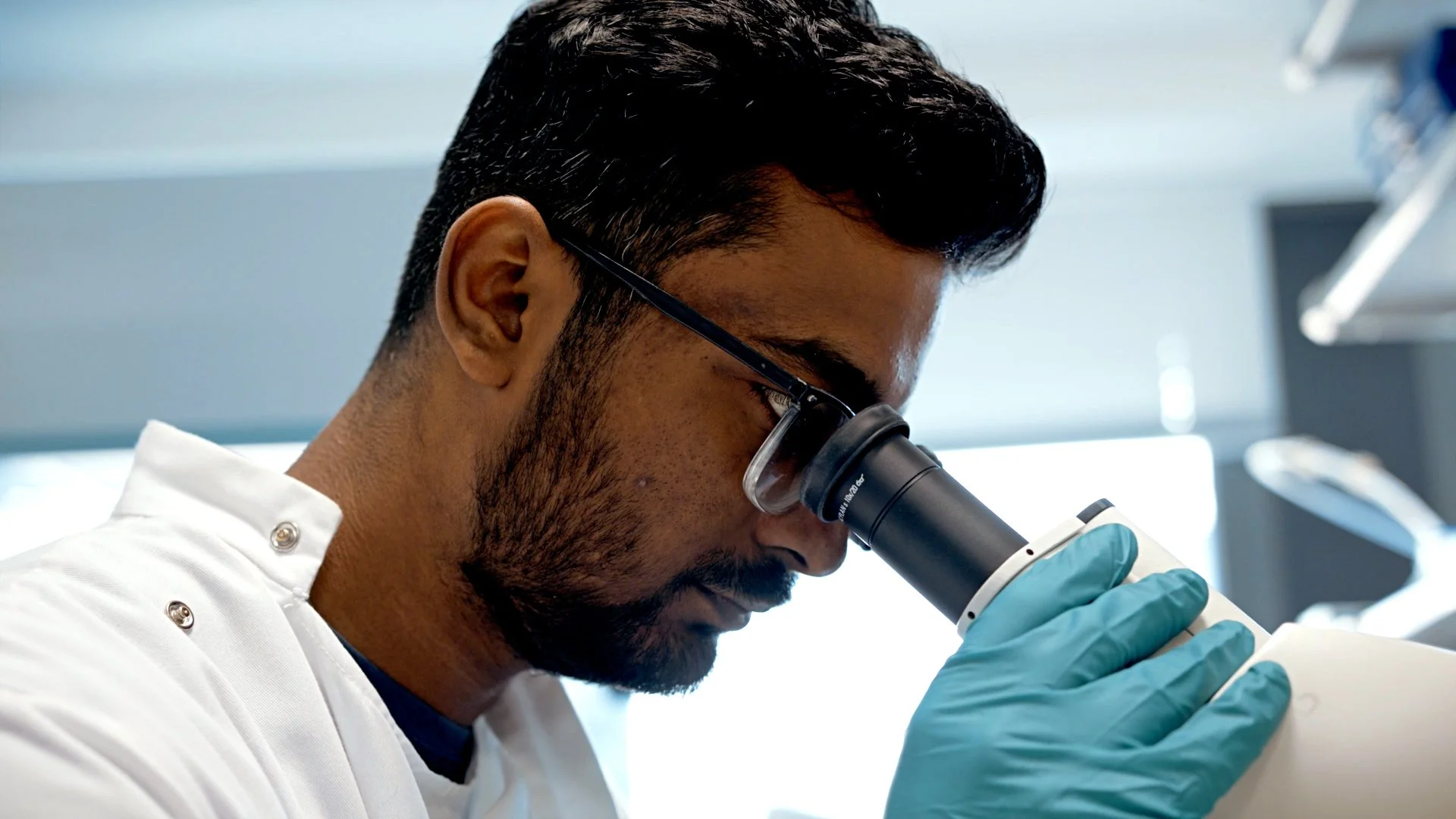
The University of Glasgow’s Knowledge Transfer Partnership (KTP) with Cambridge-based life sciences company Cell Guidance Systems exemplifies how partnerships between universities and the private sector can foster crucial innovations for the public good. Knowledge Transfer Partnerships are three-way partnerships between a business, an academic institution, and a KTP Associate, who is a recent graduate. Cell Guidance Systems specialises in biomanufacturing growth factors, which are crucial in life sciences due to their pivotal role in the cultivation of cell cultures necessary for the development of vaccines and therapeutic proteins.
One of Cell Guidance Systems’ products is a nano-crystal formulation called “PODS®” – microscopic crystals which encase growth factors in a protective protein lattice, thus shielding them from degradation and providing sustained delivery of proteins. This KTP aimed to help Cell Guidance Systems benefit from University of Glasgow researchers’ (Professor Manuel Salmeron-Sanches, Dr Michael Jones, Professor Matthew Dalby, and KTP Associate Dr Natasha Lewis) findings on cell know-how and the technical knowledge of hydrogel materials and hydrogel engineering The project focused on combining a synthetic hydrogel material with the existing PODS® technology to ensure it releases the biological molecules slowly to tell cells what to do. Dr Lewis worked with the company as a biomaterials scientist for the duration of the 24-month partnership before joining Cell Guidance Systems full-time as a Senior Research Scientist. All partners found the transfer of knowledge happened very fluidly. The company felt the partnership helped them to accelerate their capabilities and the KTP grading panel rated it “outstanding” for meeting its objectives.